

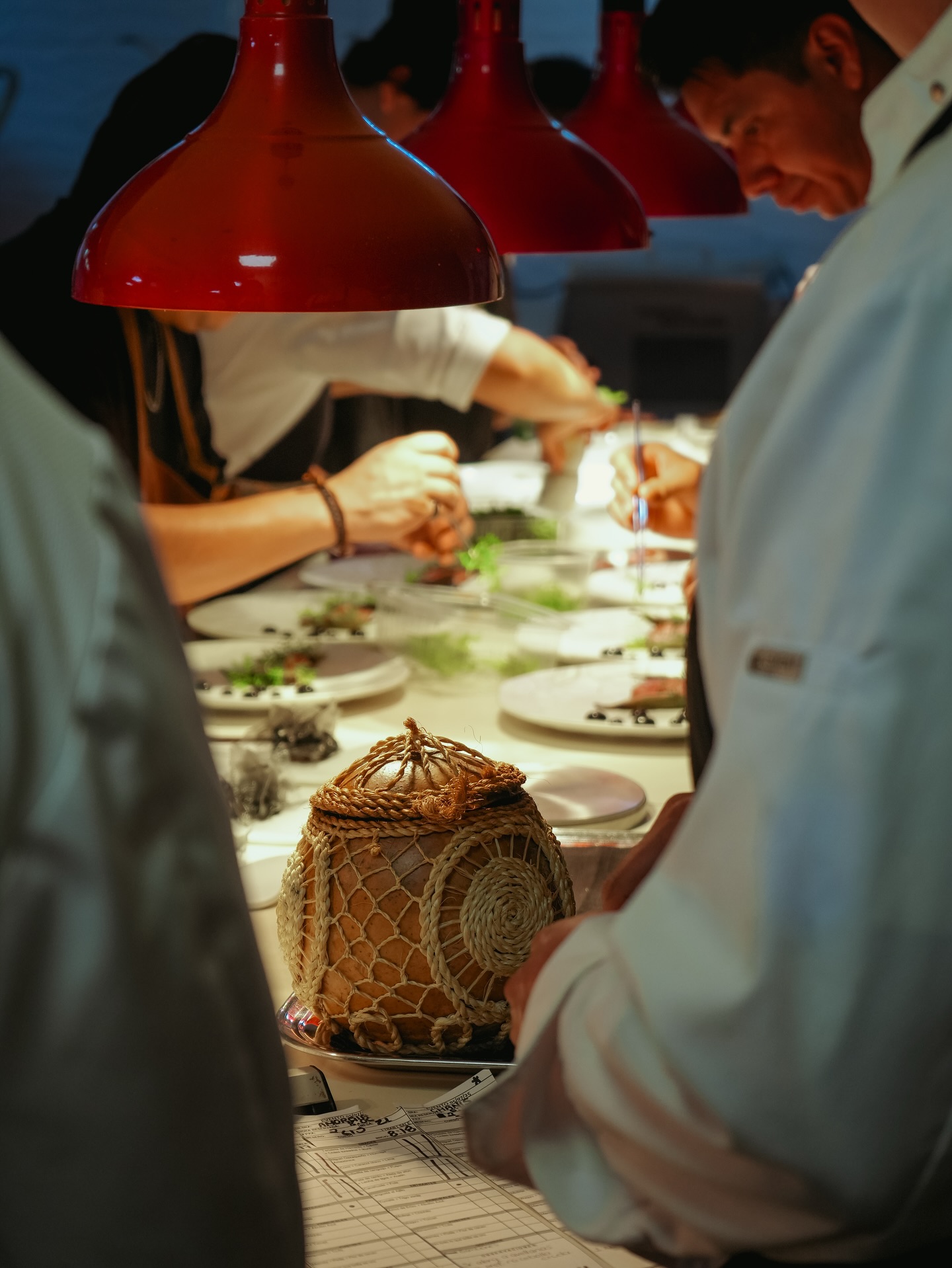

Restaurants rarely make headlines in real estate reports, yet they are one of the most reliable indicators of where sophisticated capital is heading. A destination does not attract Michelin-recognized chefs, ambitious sommeliers, and design-forward dining rooms unless it already has the affluent, well-traveled audience to support them.
Tulum’s inclusion in the Michelin Guide Mexico is not simply a culinary milestone. For anyone tracking Michelin Tulum coverage as a proxy for the town’s trajectory, it is a data point worth reading alongside price charts and occupancy reports.
Michelin Tulum: A Culinary Scene That Has Outgrown Its Reputation
For years, Tulum’s food identity was shaped by beach clubs, barefoot dining, open-air breakfast spots, and bohemian restaurants hidden between the jungle and the sea.
That identity still exists, but it has evolved.
The arrival of the Michelin Guide in Mexico helped place more attention on Tulum’s culinary scene, recognizing restaurants that reflect a more mature and intentional approach to dining. Today, Tulum is home to restaurants that work with local ingredients, open-fire cooking, regenerative farms, contemporary Mexican techniques, and immersive settings that feel deeply connected to the destination.
This shift did not happen by accident. Restaurants of this caliber require a specific audience: well-traveled guests, repeat visitors, international residents, and travelers willing to spend on experiences that feel memorable and authentic.
That same audience is also shaping the real estate market.
The Restaurants Putting Tulum on the Michelin Map
Several restaurants help explain why Tulum’s dining scene has become part of the broader conversation around luxury travel and real estate.
Arca: Open-Fire Dining in the Jungle
Arca has become one of Tulum’s most recognized restaurants, known for its open-air setting, seasonal menu, and close relationship with local farmers and suppliers.
Its dining experience reflects much of what people associate with Tulum at its best: atmosphere, nature, fire, simplicity, and sophistication. It is not a traditional fine dining room. It is a restaurant that understands its environment and turns that environment into part of the experience.
Wild: Contemporary Dining Surrounded by Nature
Wild offers another example of how Tulum’s culinary identity is evolving. Located within a jungle setting, the restaurant combines modern and rustic design elements with contemporary cuisine.
Led by American chef Norman Fenton, Wild reflects the international nature of Tulum’s dining scene. It is a place where global talent, local atmosphere, and destination-driven hospitality come together.
NÜ Tulum: Local Ingredients and Contemporary Mexican Cuisine
NÜ Tulum is known for a menu rooted in local ingredients, with many sourced from Mestiza de Indias, a regenerative farm in the Yucatán Peninsula.
This connection between restaurant and land is important. It reflects a larger movement in Tulum, where sustainability, regional identity, and elevated hospitality are becoming part of the destination’s value.
Autor: A Refined Tasting Experience in the Riviera Maya
Autor, located within Conrad Tulum Riviera Maya, brings a more polished resort fine dining experience to the region. Its presence shows how luxury hospitality and destination gastronomy are becoming more connected in and around Tulum.
For buyers and investors, this matters because hospitality infrastructure helps shape how a destination is perceived. When hotels, restaurants, and private residences all move toward a higher standard, the market becomes more attractive to discerning visitors and long-term owners.
Mestixa: A Cross-Cultural Culinary Experience
Mestixa adds another layer to Tulum’s dining scene with a cross-cultural approach that blends Mexican and Asian influences.
Its recognition reflects the diversity of Tulum’s culinary identity. The destination is not simply offering regional cuisine in a luxury format. It is becoming a place where international ideas, Mexican ingredients, and destination design coexist.
Why Fine Dining Matters for Real Estate
Fine dining does not automatically create real estate value, but it often reflects the type of market that supports it.
Restaurants with premium sourcing, refined service, ambitious menus, and strong design require consistent demand from high-spending visitors. They also benefit from a destination that attracts return travelers, international residents, private villa guests, and lifestyle-focused buyers.
This is where gastronomy and real estate begin to overlap.
A destination with a strong dining scene can become more attractive to buyers who want more than a property. They want a complete lifestyle.
They want access to restaurants, beach clubs, wellness spaces, design culture, nature, and experiences that make ownership feel valuable beyond the home itself.
In Tulum, fine dining supports the idea that the destination is maturing into a more complete lifestyle market.
Gastronomy, Vacation Rentals, and Guest Expectations
For villa owners, proximity to high-quality restaurants is not just a lifestyle advantage. It can also support the guest experience.
Travelers booking luxury villas in Tulum are often looking for more than a place to sleep. They want privacy, design, nature, comfort, wellness, and access to the best experiences in the destination. Restaurants are part of that equation.
A guest staying in a private home expects the surrounding destination to match the quality of the property. If the villa is beautiful but the destination lacks restaurants, wellness spaces, beach clubs, and cultural energy, the experience feels incomplete.
Tulum’s growing fine dining scene helps strengthen the overall value of owning and renting a luxury home in the area. It gives visitors more reasons to stay longer, return often, and view the destination as a place with depth rather than only seasonal appeal.
What Michelin Tulum Signals for Investors
For investors, the rise of Michelin-recognized restaurants in Tulum is not a reason to buy on its own. But it is a meaningful signal.
It suggests that Tulum continues to attract the kind of audience that supports premium hospitality, elevated design, and high-value experiences. This audience is also more likely to seek private villas, luxury homes, and properties that offer both lifestyle value and vacation rental potential.
Buyers evaluating Tulum only through price per square meter may miss the bigger picture. Real estate value in lifestyle destinations is shaped by the ecosystem around the property: restaurants, infrastructure, hospitality, access, wellness, design, safety, community, and overall destination appeal.
A home in a destination with strong culinary and hospitality momentum can feel more valuable because the experience outside the home supports the experience inside it.
What It Means for Luxury Homes in Tulum
The fine dining boom in Tulum reflects a broader shift in the market.
Tulum is no longer only competing as a beach destination. It is competing as a lifestyle destination, a wellness destination, a design destination, and increasingly, a culinary destination.
This evolution matters for luxury real estate.
Buyers today are not only looking for square footage. They are looking for homes that feel aligned with the way people want to live, host, travel, and invest. They want architecture, privacy, natural surroundings, wellness features, and access to the experiences that make Tulum internationally desirable.
This is why thoughtfully designed homes continue to stand out. Properties that feel connected to the destination, both architecturally and experientially, are better positioned for long-term appeal.
FAQs: Michelin Tulum
Tulum has several restaurants recognized by the Michelin Guide Mexico, including Arca, Wild, NÜ Tulum, Autor, Casa Banana, Hartwood, Cetli, and Mestixa. However, it is important to clarify that these are Michelin Guide selections, not necessarily Michelin-starred restaurants. The recognition still matters because it reflects the growing quality, visibility, and sophistication of Tulum’s dining scene.
Some of the most recognized Michelin Guide selections in Tulum include Arca, Wild, NÜ Tulum, Autor, Casa Banana, Hartwood, Cetli, and Mestixa. Arca is known for open-fire cooking and a seasonal menu. Wild combines contemporary cuisine with a jungle setting. NÜ Tulum focuses on local ingredients and contemporary Mexican flavors. Autor offers a refined tasting experience within Conrad Tulum Riviera Maya.
Fine dining matters because it reflects the type of audience a destination is attracting. Restaurants with elevated menus, premium service, and strong design usually require consistent demand from high-spending visitors, international travelers, and residents. That same audience often supports luxury real estate, private villas, vacation rental demand, and long-term destination value.
A strong restaurant scene can improve the overall guest experience for vacation rental properties. Travelers staying in luxury villas often want access to memorable restaurants, beach clubs, wellness spaces, and cultural experiences. When the destination offers these experiences, private homes become more attractive for guests looking for a complete Tulum lifestyle.
Yes. The presence of Michelin Guide selections in Tulum is one sign that the destination is becoming more mature and internationally visible. It shows that Tulum is attracting serious culinary talent, high-spending visitors, and hospitality investment. For real estate buyers, this adds context to the destination’s long-term lifestyle and investment appeal.
Explore Luxury Homes Near Tulum’s Culinary Corridor
Deelum Concepts develops fully furnished, turn-key residences in Tulum for buyers who value architecture, privacy, nature, wellness, and long-term investment potential.
Our homes are designed for modern living and vacation rental appeal, with access to the lifestyle that makes Tulum one of the most desirable destinations in the Riviera Maya.
Explore current Deelum residences and upcoming investment opportunities near Tulum’s most recognized restaurants, beach clubs, and lifestyle destinations.
View all projects

