

Buying Pre-Construction in Tulum: Advantages, Risks, and How to Choose a Trustworthy Developer
Pre-construction is not a niche strategy in Tulum, it is the market. New-build and pre-construction properties now represent an estimated 50% to 60% of all residential listings in the destination, which means most buyers evaluating Tulum real estate are, whether they realize it or not, evaluating a developer as much as a property.
That reality cuts both ways. Pre-construction can offer genuine advantages unavailable in the resale market, and it can also expose a buyer to risks that resale properties simply do not carry. Understanding both sides is the difference between a smart entry point and an expensive lesson.
Why Pre-Construction Dominates the Tulum Market
Tulum’s rapid growth has outpaced the supply of finished, legally clean resale inventory in the most desirable neighborhoods. Developers have filled that gap, and buyers have followed, drawn by pricing, payment flexibility, and the ability to select finishes and layouts that simply are not available once a building is complete and occupied.
The Advantages of Buying Off-Plan
Pre-construction pricing is typically set below projected completion value, giving early buyers built-in equity if the project delivers as planned. Payment plans structured across the construction timeline, rather than a single lump sum, also make Tulum accessible to buyers who would otherwise need to finance the full purchase price upfront.
For a developer offering financing for up to 10 years with no Mexican bank account required, as Deelum does, this flexibility extends even further, opening ownership to qualified buyers who prefer to spread their investment over time.
The Real Risks Buyers Should Pressure-Test
The risks in pre-construction are concentrated almost entirely in one variable: the developer. Construction delays, quality shortfalls, and outright stalled projects are not hypothetical in Tulum’s current market; some projects have stalled at 30% to 50% completion, with developers offering steep discounts simply to generate liquidity when financing runs thin.
A second, less discussed risk is oversupply. The single largest question mark over Tulum’s medium-term outlook is whether tourism demand grows quickly enough to absorb the volume of new condo and villa inventory currently in the pipeline. A generic, undifferentiated pre-construction unit in a saturated micro-market carries meaningfully more risk than a scarce, well-located, architecturally distinct home.
How to Vet a Developer Before You Sign
Buyers can meaningfully de-risk a pre-construction purchase by asking direct questions before signing anything:
- What is the developer’s completed project history, and can you visit one?
- Who are the architecture and design partners, and are they named and verifiable?
- What percentage of the project is currently pre-sold, and does that align with the construction timeline?
- Is developer financing available, and under what terms?
- Is the payment schedule tied to verifiable construction milestones, not simply a calendar?
A developer confident in its own execution will answer these questions specifically, with names, dates, and site visits, rather than in generalities.
What Sets a Trustworthy Developer Apart
Transparency is the differentiator that matters most in a market where optimistic projections are the norm. Deelum Concepts works with named, verifiable architecture partners, including VTaller in Mexico and Hudgins Design in the United States, delivers every residence fully furnished and turn-key rather than as an empty shell, and offers developer financing structured for international buyers, including terms of up to 10 years with no Mexican bank account required. These are not marketing claims; they are structural commitments a buyer can verify before ever signing a contract.
FAQs: Buying Pre-Construction in Tulum
Pre-construction carries real execution risk, including possible delays and, with less reputable developers, stalled projects. The risk is concentrated in the developer’s track record and financing stability rather than the pre-construction model itself, which is why vetting the developer directly is essential before purchasing.
Buying pre-construction typically offers below-market entry pricing relative to projected completion value, flexible payment plans spread across the construction timeline, and, with some developers, extended financing options that make ownership accessible without a lump-sum payment.
Look for named, verifiable architecture and design partners, a track record of completed projects that can be visited, transparency around what percentage of the project is pre-sold, and a payment schedule tied to verifiable construction milestones rather than an arbitrary calendar.
Deelum Concepts delivers every residence fully furnished and turn-key, with transparent construction milestones and named architecture partners at VTaller and Hudgins Design. Contact our team for a project walkthrough and current pre-construction pricing and financing terms.
Schedule a ConsultationWhy Tulum Topics
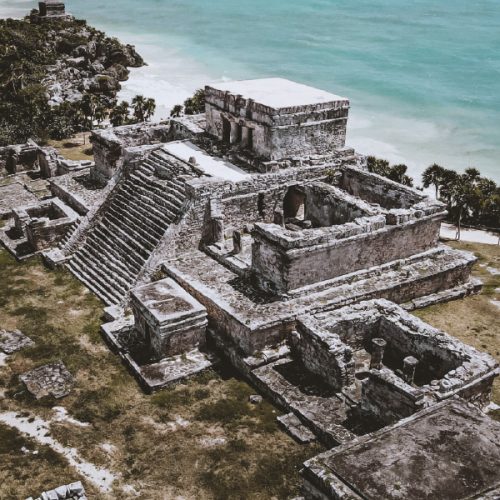
MAYAN RUINS
The tulum ruins are situated on 12-meter-tall (39 ft) cliffs along the east coast of the Yucatán Peninsula on the Caribbean Sea.
Learn more
Michelin Tulum: The Fine Dining Boom and What It Reveals About the Real Estate Market
Michelin Tulum restaurants like Arca, Wild, NÜ Tulum, and Autor reveal how fine dining is shaping the destination’s lifestyle, tourism, and real estate appeal.
Learn more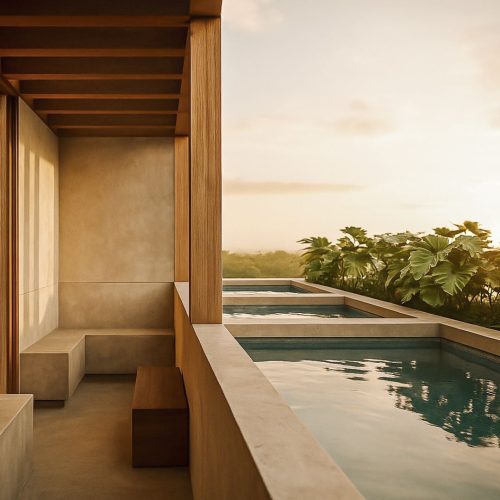
Why Invest in Tulum Luxury Real Estate: Architecture, Design, and Global Demand
Why invest in Tulum luxury real estate? Discover architecture-driven homes, global demand, and high-value opportunities in Tulum luxury homes for sale.
Learn more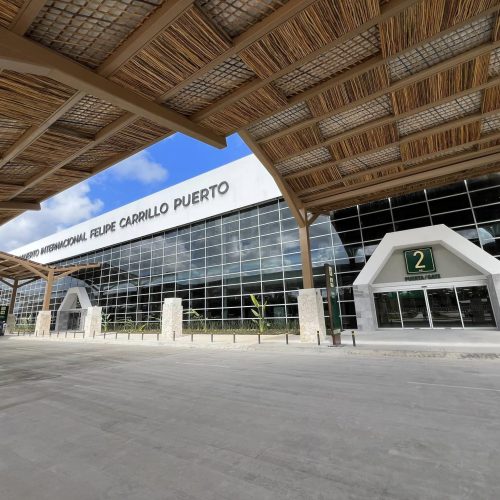
New Tulum International Airport: How Infrastructure Is Driving Property Appreciation
How Tulum International Airport is reshaping real estate demand, property values, vacation rentals, and long-term investment potential in Tulum.
Learn more
JAGUAR NATIONAL PARK
Immerse yourself in nature by living just a 10-minute walk from the second-largest nature reserve in all of Quintana Roo: The Jaguar National Park.
Learn more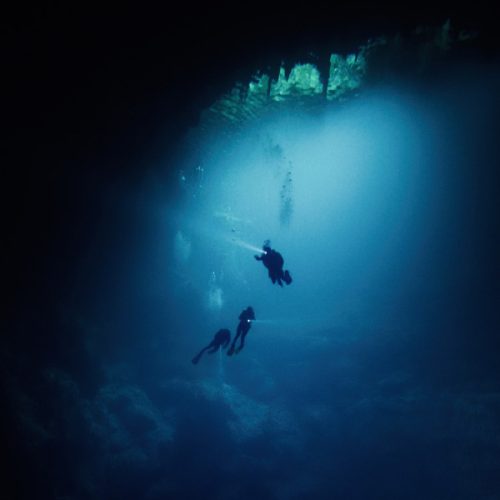
CENOTES
The Yucatan Peninsula is home to more than 6,000 cenotes, the largest number of cenotes in the world. 226 of these are in Tulum alone.
Learn more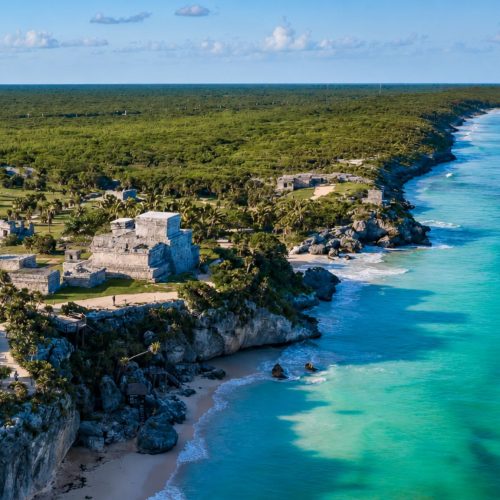
Living in Tulum 2026: Is It Still Worth It?
Is living in Tulum still worth it in 2026? Explore Tulum’s lifestyle, infrastructure growth, real estate opportunities, vacation rental potential, and what buyers should know before investing.
Learn more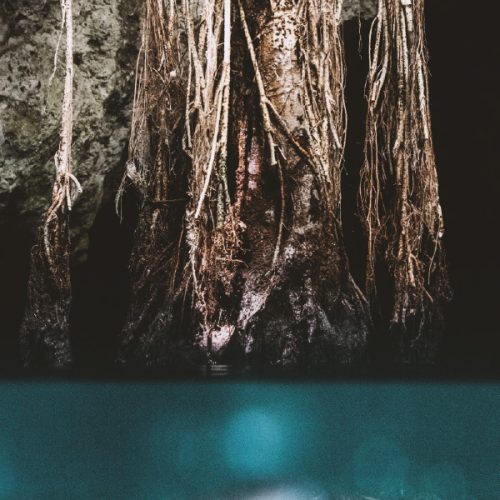
Fideicomiso Tulum: Complete Guide for Foreign Buyers in 2026
Of every question a prospective buyer asks about Tulum, none carries more weight than this one: can I actually, legally own this? The answer is yes, and it has been yes for decades, but the mechanism, a fideicomiso, is unfamiliar enough to create hesitation in buyers who are otherwise ready to move forward.
This guide walks through exactly how a fideicomiso in Tulum works, the legal steps involved, and what a buyer should realistically expect from offer to closing.
Can Foreigners Buy Property in Mexico?
Yes, foreigners can legally acquire residential property in Tulum. The nuance is where Tulum sits: within Mexico’s restricted zone, defined as any land within 50 kilometers of the coastline or 100 kilometers of an international border. Inside this zone, foreign individuals cannot hold direct title in their own name. They acquire property through a bank trust, or fideicomiso, instead. This is a well-established, government-regulated structure, not a workaround.
What Is a Fideicomiso?
A fideicomiso is a trust in which a Mexican bank holds the legal title to the property on behalf of the foreign buyer, who becomes the trust’s beneficiary. As beneficiary, the buyer retains every practical right of ownership: the right to live in the property, rent it, renovate it, sell it, or pass it to heirs. The bank’s role is administrative, not proprietary; it does not use, occupy, or control the property in any way.
The trust runs for an initial term of 50 years and can be renewed indefinitely, meaning a fideicomiso does not expire on a buyer or their heirs during any realistic ownership horizon.
The Legal Steps, Start to Finish
Offer and Purchase Agreement
Once a buyer selects a property, the process begins with a formal offer and, once accepted, a purchase agreement outlining price, timeline, and conditions. For pre-construction purchases with a developer like Deelum, this stage also defines the payment schedule and delivery terms.
SRE Permit
Before a fideicomiso can be established, the buyer’s Mexican bank applies for a permit from the Secretaría de Relaciones Exteriores, Mexico’s foreign affairs ministry, authorizing the trust. This step is routine for standard residential purchases and is handled by the bank and notary on the buyer’s behalf.
Trust Formation With a Mexican Bank
Once the permit is granted, the fideicomiso is formally established with a Mexican bank acting as trustee. The buyer selects the bank, typically in coordination with the notary handling the transaction, and is named as sole beneficiary with full usage rights.
Notarization and Registration
A Mexican notary public, whose role carries far more legal authority than the U.S. equivalent, oversees the closing, verifies the property’s legal status, calculates applicable taxes, and registers the trust with the Public Registry of Property. This registration is what makes the buyer’s beneficiary rights enforceable and public record.
Costs to Budget For
Beyond the purchase price, buyers should budget for fideicomiso setup costs, typically between $2,000 and $5,000, plus an annual maintenance fee in the range of $500 to $1,000 paid to the trustee bank. Additional closing costs, including notary fees, acquisition tax, and registration, generally add several percentage points to the total transaction cost, a figure Deelum’s team can outline precisely for any given property.
Common Misconceptions
Several myths persist around foreign ownership in Mexico. A fideicomiso is not a lease, a rental agreement, or a lesser form of ownership; it is a legally recognized structure that grants full beneficiary rights, including the ability to sell or bequeath the property freely. Buyers also do not need Mexican residency or a specific visa status to purchase; ownership is handled entirely through the notary and banking process, independent of immigration status, and many buyers complete a purchase while still on a tourist visa.
FAQs: Buying Property in Tulum as a Foreigner
Yes. Foreigners can legally buy residential property throughout Mexico, including in Tulum. In coastal areas classified as the restricted zone, foreign buyers use a bank trust, or fideicomiso, rather than holding direct title, but retain full rights to use, rent, sell, or inherit the property.
A fideicomiso is a trust in which a Mexican bank holds legal title to a property on behalf of a foreign buyer, who is named as the trust’s beneficiary with full rights to use, rent, sell, or pass on the property. It is the standard, government-regulated structure for foreign real estate ownership in Mexico’s coastal restricted zone.
No. Property ownership in Mexico is handled through the notary and banking system rather than immigration status, meaning a specific visa is not required to purchase, and many foreign buyers complete transactions while on a standard tourist visa.
Setting up a fideicomiso typically costs between $2,000 and $5,000, with an ongoing annual fee to the trustee bank of roughly $500 to $1,000, in addition to standard closing costs such as notary fees and acquisition tax.
Deelum Concepts guides every international buyer through the fideicomiso process from offer to registration, with legal partners experienced in foreign transactions and, for qualified buyers, developer financing available for up to 10 years with no Mexican bank account required.
View all projectsWhy Tulum Topics
Michelin Tulum: The Fine Dining Boom and What It Reveals About the Real Estate Market
Michelin Tulum restaurants like Arca, Wild, NÜ Tulum, and Autor reveal how fine dining is shaping the destination’s lifestyle, tourism, and real estate appeal.
Learn moreLiving in Tulum 2026: Is It Still Worth It?
Is living in Tulum still worth it in 2026? Explore Tulum’s lifestyle, infrastructure growth, real estate opportunities, vacation rental potential, and what buyers should know before investing.
Learn moreCENOTES
The Yucatan Peninsula is home to more than 6,000 cenotes, the largest number of cenotes in the world. 226 of these are in Tulum alone.
Learn moreWhy Invest in Tulum Luxury Real Estate: Architecture, Design, and Global Demand
Why invest in Tulum luxury real estate? Discover architecture-driven homes, global demand, and high-value opportunities in Tulum luxury homes for sale.
Learn moreMAYAN RUINS
The tulum ruins are situated on 12-meter-tall (39 ft) cliffs along the east coast of the Yucatán Peninsula on the Caribbean Sea.
Learn moreNew Tulum International Airport: How Infrastructure Is Driving Property Appreciation
How Tulum International Airport is reshaping real estate demand, property values, vacation rentals, and long-term investment potential in Tulum.
Learn moreJAGUAR NATIONAL PARK
Immerse yourself in nature by living just a 10-minute walk from the second-largest nature reserve in all of Quintana Roo: The Jaguar National Park.
Learn moreVacation Rental Management Tulum: How Foreign Owners Can Rent Their Villas Remotely
Ask any prospective foreign buyer what stops them from purchasing in Tulum, and one concern often comes up before price: who is going to manage the property when I am not there?
For buyers used to being a short drive from their investment property, owning a home internationally can feel complicated until the process of vacation rental management in Tulum is explained clearly.
The honest answer is that professional property management has matured alongside Tulum’s real estate market. Remote ownership today looks very different from the early days, when buyers had to figure out operations, guest communication, maintenance, and rental logistics almost entirely on their own.
The #1 Question Every Remote Buyer Asks
Owning a rental property is easier when you can drive over to greet a guest, check the house, or respond to a maintenance issue yourself. Owning one internationally requires trusting a local system that can operate without your daily involvement.
This is not unique to Tulum. It is the same challenge faced by owners of ski chalets, beach villas, lake houses, vineyard properties, and second homes around the world.
The solution is the same: a dedicated, professional property management partner.
The right management company can help turn a beautiful home into a more organized vacation rental operation by handling guest communication, housekeeping, maintenance coordination, listings, pricing, and owner reporting.
How Professional Vacation Rental Management Works in Tulum
A mature ecosystem of vacation rental management companies now operates in Tulum to serve international and absentee owners.
Many of these operators specialize in short-term rentals and luxury homes. Some were founded by foreign investors who first bought in Tulum themselves and later built the management infrastructure they wished had existed when they became owners.
These companies usually function as a full-service extension of ownership. Their role is to help owners manage the operational side of the property while maintaining a professional guest experience. This can include creating and managing listings across platforms such as Airbnb, Booking.com, and Vrbo, coordinating cleaning and maintenance teams, adjusting pricing according to seasonality and demand, communicating with guests in English and Spanish, and providing financial reporting to owners.
For buyers who live abroad, this support can make ownership feel more realistic and less overwhelming.
What to Expect From a Management Partner
Listing optimization, dynamic pricing, guest screening, communication, check-in coordination, and post-stay follow-up, all shaped around the expectations of guests booking a high-end home.
Trusted cleaning teams, pool technicians, gardeners, and contractors, coordinated locally to protect the condition of the home over time, not just to welcome guests.
Owner-facing reports on bookings, revenue, expenses, occupancy, and fees, so performance can be reviewed from New York, Toronto, or anywhere else without needing to be onsite.
Listings positioned and priced across Airbnb, Booking.com, and Vrbo, with the platform mix chosen based on what fits the property and its ideal guest.
For luxury villas, this is especially important. Guests booking high-end homes in Tulum expect a smooth experience before, during, and after their stay. The way the property is presented, priced, reviewed, and managed can directly influence its rental performance.
What Does Vacation Rental Management Cost in Tulum?
Vacation rental management fees in Tulum vary depending on the company, property type, level of service, and whether the home requires full-service management.
For luxury villas, the right management partner should be evaluated not only by fee percentage, but by the quality of service, transparency, guest experience, maintenance standards, and ability to position the home competitively.
A lower management fee does not always mean better net performance if the property is poorly managed, underpriced, or not presented properly online.
Deelum’s Approach to Easier Remote Ownership
Deelum Concepts designs every residence as fully furnished and turn-key from the outset, including curated interiors, premium appliances, landscaping, and thoughtful details that support both personal use and vacation rental appeal.
This matters because many foreign owners do not want to manage furnishing, setup, staging, supplier coordination, or rental preparation after closing. A turn-key home reduces friction and allows the property to be enjoyed or prepared for rental service more efficiently.
Deelum also connects buyers with established, English-speaking property management partners already operating in Tulum, including partners founded by Americans and familiar with the expectations of international owners.
This means a new owner is not starting the vetting process alone. From the beginning, buyers can better understand how their home may be managed, maintained, and positioned for vacation rental use.
Why Management Matters for Luxury Villas
Luxury vacation rentals require more than a listing. They require hospitality thinking.
Guests booking private villas in Tulum are often looking for privacy, design, comfort, wellness, nature, and a sense of place. They expect the home to be beautiful, but they also expect the stay to feel smooth. This includes fast communication, clean spaces, working amenities, reliable check-in, local recommendations, and a property that feels cared for.
For owners, professional management helps protect both the guest experience and the long-term condition of the home. When a villa is designed to stand out and managed properly, it has a stronger chance of competing in the vacation rental market.
FAQs: Vacation Rental Management in Tulum
Foreign owners typically work with a professional vacation rental management company based in Tulum. A management company can handle bookings, guest communication, housekeeping, maintenance coordination, check-ins, pricing, listings, and financial reporting. This allows the property to operate as a vacation rental without the owner needing to be onsite every day.
Vacation rental management costs in Tulum vary by property and service level. Many short-term rental managers charge around 15% to 25% of rental income, while full-service management in Tulum can sometimes range closer to 20% to 30%, depending on what is included. Owners should review whether the fee includes listing management, guest communication, housekeeping coordination, maintenance oversight, pricing strategy, owner reporting, and support across platforms such as Airbnb, Booking.com, and Vrbo.
Yes, foreign owners can generate rental income from real estate in Mexico when the property is properly owned, structured, and managed. In coastal areas like Tulum, foreign buyers commonly use a fideicomiso, or bank trust, to hold property rights within Mexico’s restricted zone. A fideicomiso generally allows foreign buyers to use, lease, improve, sell, and pass the property to heirs, according to the terms of the trust. Owners should always work with qualified legal, tax, and accounting professionals to understand the correct structure, permits, taxes, and rental obligations for their specific situation.
Owning a vacation rental in Tulum can be more passive with the right professional management partner, but it should not be viewed as completely effortless. A management company can handle daily operations, guest communication, housekeeping, maintenance, and reporting. However, owners should still review performance, understand expenses, approve major decisions, and maintain realistic expectations around seasonality and market demand.
Many vacation rentals in Tulum are listed on platforms such as Airbnb, Booking.com, and Vrbo, along with direct booking websites or private villa rental networks. A professional management company can help decide which platforms are most appropriate for the property and how to position the home for the right guests.
Every Deelum residence is designed to reduce friction for international owners, with fully furnished, turn-key delivery and introductions to vetted, English-speaking property management partners in Tulum.
Our homes are created for owners who want architecture, comfort, privacy, and long-term value, with the option to position their property for vacation rental income through professional management.
Ask our team which management partners operate in your neighborhood of interest and how each Deelum home can support a more seamless ownership experience.
View all projectsWhy Tulum Topics
Why Invest in Tulum Luxury Real Estate: Architecture, Design, and Global Demand
Why invest in Tulum luxury real estate? Discover architecture-driven homes, global demand, and high-value opportunities in Tulum luxury homes for sale.
Learn moreNew Tulum International Airport: How Infrastructure Is Driving Property Appreciation
How Tulum International Airport is reshaping real estate demand, property values, vacation rentals, and long-term investment potential in Tulum.
Learn moreMAYAN RUINS
The tulum ruins are situated on 12-meter-tall (39 ft) cliffs along the east coast of the Yucatán Peninsula on the Caribbean Sea.
Learn moreLiving in Tulum 2026: Is It Still Worth It?
Is living in Tulum still worth it in 2026? Explore Tulum’s lifestyle, infrastructure growth, real estate opportunities, vacation rental potential, and what buyers should know before investing.
Learn moreCENOTES
The Yucatan Peninsula is home to more than 6,000 cenotes, the largest number of cenotes in the world. 226 of these are in Tulum alone.
Learn moreMichelin Tulum: The Fine Dining Boom and What It Reveals About the Real Estate Market
Michelin Tulum restaurants like Arca, Wild, NÜ Tulum, and Autor reveal how fine dining is shaping the destination’s lifestyle, tourism, and real estate appeal.
Learn moreJAGUAR NATIONAL PARK
Immerse yourself in nature by living just a 10-minute walk from the second-largest nature reserve in all of Quintana Roo: The Jaguar National Park.
Learn moreNew Tulum International Airport: How Infrastructure Is Driving Property Appreciation
Lifestyle sells a home. Infrastructure sustains its value. For the investor weighing a purchase in Tulum with a spreadsheet as much as a heart, two pieces of infrastructure matter more than any amenity list: the Tren Maya rail network and Tulum’s own international airport.
Understanding the Tren Maya real estate impact, and how it interacts with direct air access, is the rational backbone behind a decision that can otherwise feel driven purely by lifestyle.
Two Projects, One Turning Point
Until December 2023, Tulum had neither a direct international airport nor a regional rail network connecting it to the rest of the Yucatán Peninsula. Visitors arrived through Cancún, adding one to two hours of transfer time to every trip. That changed with the near-simultaneous arrival of Tulum International Airport and the Tren Maya line, two projects that together rewired how the region connects to the rest of the world.
The Tren Maya Effect on Property Values
The data on proximity to Tren Maya infrastructure is notable: properties near Tren Maya stations have recorded appreciation rates between 15% and 25% over the past two years, with broader property values across the region rising roughly 15% as major projects, including the airport and the train, moved from construction to operation.
This pattern is consistent with what infrastructure economics predicts. Rail and air access reduce friction for both visitors and residents, and reduced friction reliably shows up in property values within a few years of a project becoming operational, not just at announcement.
Tulum International Airport: A Direct Line From Home
Tulum’s own airport, Felipe Carrillo Puerto International, closed 2025 having handled approximately 1.24 million passengers, a rapid climb for a facility that opened barely two years earlier. Major U.S. carriers, including American, United, Delta, and JetBlue, now serve the route, cutting out the Cancún transfer entirely for a growing share of visitors.
This is not a minor convenience. For a second-home buyer weighing how often they will realistically use a property, or for a vacation rental guest deciding between destinations, a direct flight versus a two-hour ground transfer is often the deciding factor.
What the Data Shows for 2026 and Beyond
Current market analysis suggests the likelihood of a broad, market-wide price surge over the next twelve months is low to medium, but the likelihood of selective gains in prime locations is medium, with well-positioned homes projected to appreciate 4% to 7% over the coming year, while average condo inventory clears more slowly. Longer term, prices across the market are projected to grow 10% to 12% annually through the remainder of the decade, with villas in prime areas reaching roughly $5,000 per square meter.
The airport and the Tren Maya provide the structural support for long-term demand, but they do not guarantee a straight line upward. The properties capturing the appreciation are concentrated in strong locations with genuine scarcity, not commodity inventory.
The Long-Term Case for the Analytical Investor
For a buyer who needs the numbers to justify the purchase independent of how the destination feels, the infrastructure argument is the strongest one available. Direct air access and rail connectivity are not amenities that can be replicated by a competing developer down the street; they are regional assets that compound in value as adoption grows, benefiting every well-located property nearby, including those that were designed and delivered years before the infrastructure existed.
FAQs: Tren Maya and Tulum International Airport
Properties near Tren Maya stations have recorded appreciation of 15% to 25% over the past two years, while broader property values across the region rose approximately 15% as the train and Tulum’s international airport moved from construction into operation.
Yes. Tulum International Airport, officially Felipe Carrillo Puerto International Airport, opened in December 2023 and closed 2025 having handled approximately 1.24 million passengers, with direct service from major U.S. carriers including American, United, Delta, and JetBlue.
Market analysis projects selective gains in well-located Tulum properties of roughly 4% to 7% over the next year, with longer-term annual growth projected in the 10% to 12% range, driven largely by continued infrastructure maturity and growing air access.
Deelum Concepts builds in neighborhoods positioned to benefit directly from Tulum’s improving infrastructure. Our team can walk you through how proximity to the airport and Tren Maya corridor factors into each project’s long-term investment case.
Schedule a ConsultationWhy Tulum Topics
JAGUAR NATIONAL PARK
Immerse yourself in nature by living just a 10-minute walk from the second-largest nature reserve in all of Quintana Roo: The Jaguar National Park.
Learn moreMAYAN RUINS
The tulum ruins are situated on 12-meter-tall (39 ft) cliffs along the east coast of the Yucatán Peninsula on the Caribbean Sea.
Learn moreCENOTES
The Yucatan Peninsula is home to more than 6,000 cenotes, the largest number of cenotes in the world. 226 of these are in Tulum alone.
Learn moreLiving in Tulum 2026: Is It Still Worth It?
Is living in Tulum still worth it in 2026? Explore Tulum’s lifestyle, infrastructure growth, real estate opportunities, vacation rental potential, and what buyers should know before investing.
Learn moreWhy Invest in Tulum Luxury Real Estate: Architecture, Design, and Global Demand
Why invest in Tulum luxury real estate? Discover architecture-driven homes, global demand, and high-value opportunities in Tulum luxury homes for sale.
Learn moreMichelin Tulum: The Fine Dining Boom and What It Reveals About the Real Estate Market
Michelin Tulum restaurants like Arca, Wild, NÜ Tulum, and Autor reveal how fine dining is shaping the destination’s lifestyle, tourism, and real estate appeal.
Learn moreNew Tulum International Airport: How Infrastructure Is Driving Property Appreciation
How Tulum International Airport is reshaping real estate demand, property values, vacation rentals, and long-term investment potential in Tulum.
Learn moreBest Neighborhoods to Invest in Tulum
Deciding to invest in Tulum is the easy part. Deciding where within Tulum is where most buyers get stuck, and the decision matters more here than in almost any other market. Two properties a few blocks apart can differ dramatically in infrastructure, resale liquidity, and rental performance.
This comparison of the five neighborhoods most frequently searched by serious buyers, Aldea Zama, La Veleta, Región 15, Selvazama, and Tulum 101, is built for the investor who has already chosen Tulum and now needs to choose a location.
Why Location Still Decides Everything in Tulum
Tulum’s growth has not been uniform. Some neighborhoods have paved roads, underground utilities, and functioning commercial corridors; others are still catching up to the demand that arrived faster than the infrastructure could. Understanding where each neighborhood sits on that spectrum is the difference between a property that appreciates predictably and one that depends on infrastructure promises materializing on schedule.
Aldea Zama: The Established Address
Aldea Zama remains Tulum’s most mature planned neighborhood and the only one in town built with underground utilities from the start. Paved streets, functioning sidewalks, and a commercial core that actually serves residents make it the lowest-friction choice for a buyer who wants infrastructure certainty today rather than a five-year outlook. That certainty comes at a premium, and Aldea Zama consistently posts among the highest rental yields in the market, with condo yields estimated around 7.2%.
La Veleta: Momentum and Value
La Veleta has moved from emerging to arrived over the past three years, and pricing still reflects some of that transition. Condos in the neighborhood range roughly from $100,000 to $300,000, with larger homes reaching $200,000 to $500,000, positioning it as the value play between Aldea Zama’s maturity and Región 15’s earlier-stage pricing. Estimated gross rental yields around 6.7% reflect a neighborhood that has built real infrastructure without fully catching up to Aldea Zama in price.
Región 15: The Undervalued Frontier
Región 15 is the neighborhood most likely to reward patience. Pricing remains the most accessible of the four, with strong micro-locations growing 5% to 8% annually as roads, utilities, and finished projects continue to mature. The tradeoff is real: infrastructure is still uneven across the neighborhood, and the opportunity is concentrated in specific pockets rather than the area as a whole, which makes due diligence on the exact block more important here than anywhere else on this list.
Selvazama: The Ultra-Luxury Evolution
Selvazama has positioned itself as Aldea Zama’s natural successor, with larger lots and a pricing structure that starts above the original neighborhood it borders. At roughly MXN 74,000 per square meter, Selvazama now ranks as the third most expensive inland neighborhood in Tulum, ahead of both Aldea Zama and Región 8, while still posting solid 5% to 7% annual growth. This is where Deelum Concepts has concentrated much of its portfolio, building fully furnished residences with private pools and spa-inspired amenities on lots sized for architecture, not density.
Tulum 101: The Masterplan Community
Tulum 101 takes a different approach from the other four neighborhoods on this list: rather than growing organically block by block, it was conceived from the outset as a single masterplan community, with roads, green corridors, and residential zoning planned in tandem rather than layered on after the fact. For a buyer, that means fewer surprises about what gets built next door and a more predictable, cohesive long-term feel for the neighborhood as it fills in.
This is another area where Deelum Concepts holds lots and active projects, positioning buyers to secure a place within the masterplan while the community is still taking shape rather than arriving once it is fully built out.
Comparing the Five Neighborhoods
| Neighborhood | Profile | Est. Rental Yield | Best For |
|---|---|---|---|
| Aldea Zama | Established, full infrastructure | ~7.2% | Buyers prioritizing certainty today |
| La Veleta | Arrived, still relatively affordable | ~6.7% | Value-focused growth investors |
| Región 15 | Emerging, uneven infrastructure | ~6.1% | Patient, higher-risk-tolerance buyers |
| Selvazama | Ultra-luxury evolution of Aldea Zama | Premium tier | Buyers prioritizing lot size, privacy, design |
| Tulum 101 | Purpose-built masterplan community | Deelum portfolio | Buyers seeking a fully integrated, master-planned lifestyle |
Where Deelum Concepts Builds, and Why
Deelum develops across Selvazama, Tulum 101, Mirador, and Los Árboles, all areas selected for a specific combination of privacy, architectural potential, and proximity to the infrastructure improvements reshaping the region. Rather than chasing the cheapest entry point, Deelum’s site selection prioritizes locations where lot size and access support the kind of turn-key, spa-inspired residences that perform well both as a personal retreat and as a vacation rental asset.
A property that appreciates predictably is the one built where infrastructure has already arrived, or where its arrival is already underway.
FAQs: Best Neighborhoods to Invest in Tulum
There is no single best neighborhood, only the best fit for a given strategy. Aldea Zama offers the most complete infrastructure today, La Veleta offers relative value with strong momentum, Región 15 offers the most upside for patient investors, and Selvazama offers ultra-luxury positioning with larger lots and premium architecture.
Aldea Zama offers more established infrastructure and slightly higher average rental yields, making it lower-risk today. La Veleta offers more relative affordability and strong recent growth, making it attractive to investors comfortable with a slightly earlier-stage neighborhood.
Selvazama is a newer, ultra-luxury residential neighborhood positioned as the natural evolution of Aldea Zama, offering larger lots, higher price points, and a strong focus on architecture and privacy, making it one of Tulum’s most expensive inland areas.
Deelum Concepts can walk you through current lot and residence availability across Selvazama, Tulum 101, Mirador, and Los Árboles, matched to your investment goals, whether that is rental yield, personal use, or long-term appreciation.
View opportunity projectsWhy Tulum Topics
New Tulum International Airport: How Infrastructure Is Driving Property Appreciation
How Tulum International Airport is reshaping real estate demand, property values, vacation rentals, and long-term investment potential in Tulum.
Learn moreLiving in Tulum 2026: Is It Still Worth It?
Is living in Tulum still worth it in 2026? Explore Tulum’s lifestyle, infrastructure growth, real estate opportunities, vacation rental potential, and what buyers should know before investing.
Learn moreMAYAN RUINS
The tulum ruins are situated on 12-meter-tall (39 ft) cliffs along the east coast of the Yucatán Peninsula on the Caribbean Sea.
Learn moreJAGUAR NATIONAL PARK
Immerse yourself in nature by living just a 10-minute walk from the second-largest nature reserve in all of Quintana Roo: The Jaguar National Park.
Learn moreWhy Invest in Tulum Luxury Real Estate: Architecture, Design, and Global Demand
Why invest in Tulum luxury real estate? Discover architecture-driven homes, global demand, and high-value opportunities in Tulum luxury homes for sale.
Learn moreMichelin Tulum: The Fine Dining Boom and What It Reveals About the Real Estate Market
Michelin Tulum restaurants like Arca, Wild, NÜ Tulum, and Autor reveal how fine dining is shaping the destination’s lifestyle, tourism, and real estate appeal.
Learn moreCENOTES
The Yucatan Peninsula is home to more than 6,000 cenotes, the largest number of cenotes in the world. 226 of these are in Tulum alone.
Learn moreTulum Vacation Rental Income: How Much Can You Earn Renting a Luxury Villa?
For most buyers evaluating Tulum, the lifestyle appeal is never in question. The number that matters is the one that turns a beautiful home into a sound investment: how much can this property realistically earn when you are not using it yourself.
Tulum vacation rental income varies widely depending on property tier, location, and management quality, and the gap between an average listing and a well-positioned luxury villa is far larger than most first-time buyers expect. This breakdown uses current market data to set realistic expectations rather than best-case marketing numbers.
Setting Realistic Expectations
Tulum’s short-term rental market includes everything from modest studios to six-bedroom architectural estates, and averaging across that entire pool produces numbers that mean little to a luxury buyer. A market-wide average daily rate near $80 to $180 reflects the volume of entry-level condos, not the villas competing for a very different guest.
The more useful benchmark for a luxury property is the top tier of the market: villas with private pools, professional photography, hospitality-grade management, and strong review histories. These properties operate in an entirely different pricing bracket, and comparable Deelum-caliber villas are earning an estimated $1,200 to $1,500 USD per night in high season through established vacation rental operators.
Average Daily Rates for Luxury Villas
Within the top tier of Tulum’s short-term rental market, best-in-class properties are commanding rates well above the market median, with high season rates for fully furnished, professionally managed villas frequently exceeding $1,000 per night, and larger, six-bedroom-plus estates generating the strongest monthly revenue of any property category in the market.
Occupancy by Season
High Season (December through March)
This is Tulum’s peak window, driven by North American and European travelers escaping winter. Well-managed luxury villas in strong locations typically see occupancy between 65% and 80% during this stretch, with rates commanding their highest premiums.
Shoulder and Low Season
Occupancy softens through the shoulder months and dips further in September and October, historically the slowest window due to hurricane-season perception, with rates and bookings falling to their lowest point of the year. Across a full year, a strong luxury villa with professional management typically lands in a 45% to 65% average occupancy range, with top-performing properties reaching the higher end of that band.
Sample Annual Income Breakdown for a Deelum-Caliber Villa
The following illustrates a realistic annual scenario for a well-located, professionally managed, four- to five-bedroom luxury villa, using conservative assumptions rather than peak-case figures.
| Season | Nights Available | Est. Occupancy | Avg. Nightly Rate | Est. Revenue |
|---|---|---|---|---|
| High Season (Dec–Mar, 120 nights) | 120 | 70% | $1,300 | $109,200 |
| Shoulder Season (Apr–May, Nov, 90 nights) | 90 | 50% | $900 | $40,500 |
| Low Season (Jun–Oct, 155 nights) | 155 | 35% | $650 | $35,262 |
| Estimated Annual Gross Revenue | $184,962 | |||
This figure represents gross revenue before management fees, which typically run between 15% and 25% for full-service operators, along with maintenance, utilities, and platform commissions. Even after those deductions, a villa performing at this level can represent a gross rental yield in the 8% to 12% range on the purchase price, a return profile that is difficult to find in most mature North American vacation markets.
What Drives Higher Yields
Not every villa in Tulum performs the same, and the difference is rarely about luck. The properties consistently outperforming the market share a few characteristics: professional photography and a polished booking listing, dynamic pricing managed by an experienced local operator, thoughtful amenities such as a private pool and wellness area, and proximity to the neighborhoods and restaurant corridors guests are actively searching for.
Architecture and location decisions made at the point of purchase, not renovations made years later, tend to have the largest impact on long-term rental performance.
FAQs: Tulum Vacation Rental Income
Comparable luxury villas in Tulum’s established neighborhoods are earning an estimated $1,200 to $1,500 USD per night in high season through professional vacation rental operators, with well-managed properties generating gross annual revenue in the range of $150,000 to $200,000 or more depending on size, location, and occupancy.
A well-managed luxury villa with strong occupancy and professional management can realistically achieve a gross rental yield between 8% and 15% of the purchase price annually, with top-performing properties at the higher end of that range.
Tulum’s high season runs from December through March, when North American and European travelers drive occupancy for luxury villas to between 65% and 80%, with average nightly rates reaching their highest point of the year.
Every Deelum Concepts residence is delivered fully furnished and turn-key, designed from the ground up with vacation rental performance in mind. Our team can share real performance data for comparable villas and introduce you to the property management partners who run them.
View all projectsWhy Tulum Topics
MAYAN RUINS
The tulum ruins are situated on 12-meter-tall (39 ft) cliffs along the east coast of the Yucatán Peninsula on the Caribbean Sea.
Learn moreCENOTES
The Yucatan Peninsula is home to more than 6,000 cenotes, the largest number of cenotes in the world. 226 of these are in Tulum alone.
Learn moreJAGUAR NATIONAL PARK
Immerse yourself in nature by living just a 10-minute walk from the second-largest nature reserve in all of Quintana Roo: The Jaguar National Park.
Learn moreLiving in Tulum 2026: Is It Still Worth It?
Is living in Tulum still worth it in 2026? Explore Tulum’s lifestyle, infrastructure growth, real estate opportunities, vacation rental potential, and what buyers should know before investing.
Learn moreNew Tulum International Airport: How Infrastructure Is Driving Property Appreciation
How Tulum International Airport is reshaping real estate demand, property values, vacation rentals, and long-term investment potential in Tulum.
Learn moreMichelin Tulum: The Fine Dining Boom and What It Reveals About the Real Estate Market
Michelin Tulum restaurants like Arca, Wild, NÜ Tulum, and Autor reveal how fine dining is shaping the destination’s lifestyle, tourism, and real estate appeal.
Learn moreWhy Invest in Tulum Luxury Real Estate: Architecture, Design, and Global Demand
Why invest in Tulum luxury real estate? Discover architecture-driven homes, global demand, and high-value opportunities in Tulum luxury homes for sale.
Learn moreMichelin Tulum: The Fine Dining Boom and What It Reveals About the Real Estate Market
Restaurants rarely make headlines in real estate reports, yet they are one of the most reliable indicators of where sophisticated capital is heading. A destination does not attract Michelin-recognized chefs, ambitious sommeliers, and design-forward dining rooms unless it already has the affluent, well-traveled audience to support them.
Tulum’s inclusion in the Michelin Guide Mexico is not simply a culinary milestone. For anyone tracking Michelin Tulum coverage as a proxy for the town’s trajectory, it is a data point worth reading alongside price charts and occupancy reports.
Michelin Tulum: A Culinary Scene That Has Outgrown Its Reputation
For years, Tulum’s food identity was shaped by beach clubs, barefoot dining, open-air breakfast spots, and bohemian restaurants hidden between the jungle and the sea.
That identity still exists, but it has evolved.
The arrival of the Michelin Guide in Mexico helped place more attention on Tulum’s culinary scene, recognizing restaurants that reflect a more mature and intentional approach to dining. Today, Tulum is home to restaurants that work with local ingredients, open-fire cooking, regenerative farms, contemporary Mexican techniques, and immersive settings that feel deeply connected to the destination.
This shift did not happen by accident. Restaurants of this caliber require a specific audience: well-traveled guests, repeat visitors, international residents, and travelers willing to spend on experiences that feel memorable and authentic.
That same audience is also shaping the real estate market.
The Restaurants Putting Tulum on the Michelin Map
Several restaurants help explain why Tulum’s dining scene has become part of the broader conversation around luxury travel and real estate.
Arca: Open-Fire Dining in the Jungle
Arca has become one of Tulum’s most recognized restaurants, known for its open-air setting, seasonal menu, and close relationship with local farmers and suppliers.
Its dining experience reflects much of what people associate with Tulum at its best: atmosphere, nature, fire, simplicity, and sophistication. It is not a traditional fine dining room. It is a restaurant that understands its environment and turns that environment into part of the experience.
Wild: Contemporary Dining Surrounded by Nature
Wild offers another example of how Tulum’s culinary identity is evolving. Located within a jungle setting, the restaurant combines modern and rustic design elements with contemporary cuisine.
Led by American chef Norman Fenton, Wild reflects the international nature of Tulum’s dining scene. It is a place where global talent, local atmosphere, and destination-driven hospitality come together.
NÜ Tulum: Local Ingredients and Contemporary Mexican Cuisine
NÜ Tulum is known for a menu rooted in local ingredients, with many sourced from Mestiza de Indias, a regenerative farm in the Yucatán Peninsula.
This connection between restaurant and land is important. It reflects a larger movement in Tulum, where sustainability, regional identity, and elevated hospitality are becoming part of the destination’s value.
Autor: A Refined Tasting Experience in the Riviera Maya
Autor, located within Conrad Tulum Riviera Maya, brings a more polished resort fine dining experience to the region. Its presence shows how luxury hospitality and destination gastronomy are becoming more connected in and around Tulum.
For buyers and investors, this matters because hospitality infrastructure helps shape how a destination is perceived. When hotels, restaurants, and private residences all move toward a higher standard, the market becomes more attractive to discerning visitors and long-term owners.
Mestixa: A Cross-Cultural Culinary Experience
Mestixa adds another layer to Tulum’s dining scene with a cross-cultural approach that blends Mexican and Asian influences.
Its recognition reflects the diversity of Tulum’s culinary identity. The destination is not simply offering regional cuisine in a luxury format. It is becoming a place where international ideas, Mexican ingredients, and destination design coexist.
Why Fine Dining Matters for Real Estate
Fine dining does not automatically create real estate value, but it often reflects the type of market that supports it.
Restaurants with premium sourcing, refined service, ambitious menus, and strong design require consistent demand from high-spending visitors. They also benefit from a destination that attracts return travelers, international residents, private villa guests, and lifestyle-focused buyers.
This is where gastronomy and real estate begin to overlap.
A destination with a strong dining scene can become more attractive to buyers who want more than a property. They want a complete lifestyle.
They want access to restaurants, beach clubs, wellness spaces, design culture, nature, and experiences that make ownership feel valuable beyond the home itself.
In Tulum, fine dining supports the idea that the destination is maturing into a more complete lifestyle market.
Gastronomy, Vacation Rentals, and Guest Expectations
For villa owners, proximity to high-quality restaurants is not just a lifestyle advantage. It can also support the guest experience.
Travelers booking luxury villas in Tulum are often looking for more than a place to sleep. They want privacy, design, nature, comfort, wellness, and access to the best experiences in the destination. Restaurants are part of that equation.
A guest staying in a private home expects the surrounding destination to match the quality of the property. If the villa is beautiful but the destination lacks restaurants, wellness spaces, beach clubs, and cultural energy, the experience feels incomplete.
Tulum’s growing fine dining scene helps strengthen the overall value of owning and renting a luxury home in the area. It gives visitors more reasons to stay longer, return often, and view the destination as a place with depth rather than only seasonal appeal.
What Michelin Tulum Signals for Investors
For investors, the rise of Michelin-recognized restaurants in Tulum is not a reason to buy on its own. But it is a meaningful signal.
It suggests that Tulum continues to attract the kind of audience that supports premium hospitality, elevated design, and high-value experiences. This audience is also more likely to seek private villas, luxury homes, and properties that offer both lifestyle value and vacation rental potential.
Buyers evaluating Tulum only through price per square meter may miss the bigger picture. Real estate value in lifestyle destinations is shaped by the ecosystem around the property: restaurants, infrastructure, hospitality, access, wellness, design, safety, community, and overall destination appeal.
A home in a destination with strong culinary and hospitality momentum can feel more valuable because the experience outside the home supports the experience inside it.
What It Means for Luxury Homes in Tulum
The fine dining boom in Tulum reflects a broader shift in the market.
Tulum is no longer only competing as a beach destination. It is competing as a lifestyle destination, a wellness destination, a design destination, and increasingly, a culinary destination.
This evolution matters for luxury real estate.
Buyers today are not only looking for square footage. They are looking for homes that feel aligned with the way people want to live, host, travel, and invest. They want architecture, privacy, natural surroundings, wellness features, and access to the experiences that make Tulum internationally desirable.
This is why thoughtfully designed homes continue to stand out. Properties that feel connected to the destination, both architecturally and experientially, are better positioned for long-term appeal.
FAQs: Michelin Tulum
Tulum has several restaurants recognized by the Michelin Guide Mexico, including Arca, Wild, NÜ Tulum, Autor, Casa Banana, Hartwood, Cetli, and Mestixa. However, it is important to clarify that these are Michelin Guide selections, not necessarily Michelin-starred restaurants. The recognition still matters because it reflects the growing quality, visibility, and sophistication of Tulum’s dining scene.
Some of the most recognized Michelin Guide selections in Tulum include Arca, Wild, NÜ Tulum, Autor, Casa Banana, Hartwood, Cetli, and Mestixa. Arca is known for open-fire cooking and a seasonal menu. Wild combines contemporary cuisine with a jungle setting. NÜ Tulum focuses on local ingredients and contemporary Mexican flavors. Autor offers a refined tasting experience within Conrad Tulum Riviera Maya.
Fine dining matters because it reflects the type of audience a destination is attracting. Restaurants with elevated menus, premium service, and strong design usually require consistent demand from high-spending visitors, international travelers, and residents. That same audience often supports luxury real estate, private villas, vacation rental demand, and long-term destination value.
A strong restaurant scene can improve the overall guest experience for vacation rental properties. Travelers staying in luxury villas often want access to memorable restaurants, beach clubs, wellness spaces, and cultural experiences. When the destination offers these experiences, private homes become more attractive for guests looking for a complete Tulum lifestyle.
Yes. The presence of Michelin Guide selections in Tulum is one sign that the destination is becoming more mature and internationally visible. It shows that Tulum is attracting serious culinary talent, high-spending visitors, and hospitality investment. For real estate buyers, this adds context to the destination’s long-term lifestyle and investment appeal.
Explore Luxury Homes Near Tulum’s Culinary Corridor
Deelum Concepts develops fully furnished, turn-key residences in Tulum for buyers who value architecture, privacy, nature, wellness, and long-term investment potential.
Our homes are designed for modern living and vacation rental appeal, with access to the lifestyle that makes Tulum one of the most desirable destinations in the Riviera Maya.
Explore current Deelum residences and upcoming investment opportunities near Tulum’s most recognized restaurants, beach clubs, and lifestyle destinations.
View all projectsWhy Tulum Topics
CENOTES
The Yucatan Peninsula is home to more than 6,000 cenotes, the largest number of cenotes in the world. 226 of these are in Tulum alone.
Learn moreMichelin Tulum: The Fine Dining Boom and What It Reveals About the Real Estate Market
Michelin Tulum restaurants like Arca, Wild, NÜ Tulum, and Autor reveal how fine dining is shaping the destination’s lifestyle, tourism, and real estate appeal.
Learn moreLiving in Tulum 2026: Is It Still Worth It?
Is living in Tulum still worth it in 2026? Explore Tulum’s lifestyle, infrastructure growth, real estate opportunities, vacation rental potential, and what buyers should know before investing.
Learn moreMAYAN RUINS
The tulum ruins are situated on 12-meter-tall (39 ft) cliffs along the east coast of the Yucatán Peninsula on the Caribbean Sea.
Learn moreJAGUAR NATIONAL PARK
Immerse yourself in nature by living just a 10-minute walk from the second-largest nature reserve in all of Quintana Roo: The Jaguar National Park.
Learn moreNew Tulum International Airport: How Infrastructure Is Driving Property Appreciation
How Tulum International Airport is reshaping real estate demand, property values, vacation rentals, and long-term investment potential in Tulum.
Learn moreWhy Invest in Tulum Luxury Real Estate: Architecture, Design, and Global Demand
Why invest in Tulum luxury real estate? Discover architecture-driven homes, global demand, and high-value opportunities in Tulum luxury homes for sale.
Learn moreLiving in Tulum 2026: Is It Still Worth It?
Living in Tulum in 2026 is no longer just about moving to a beautiful beach destination. It is about becoming part of one of the most dynamic lifestyle and real estate markets in the Riviera Maya.
Over the past decade, Tulum has transformed from a quiet coastal town into an international destination known for its beaches, jungle, wellness culture, design scene, and growing community of entrepreneurs, creatives, families, remote workers, and investors.
For many buyers from the U.S. and Canada, Tulum represents more than a vacation escape. It offers a lifestyle centered around nature, privacy, wellness, and long-term value. But as the destination continues to grow, the real question is clear: is living in Tulum still worth it in 2026?
The answer depends on what you are looking for, where you buy, and the type of property you choose.
The Lifestyle: What Makes Living in Tulum 2026 So Attractive?
The lifestyle in Tulum is one of the main reasons people continue to invest, relocate, or spend extended periods of time here.
Tulum offers a rare combination of natural beauty, international energy, and a slower rhythm of life. Mornings can begin with yoga, a swim, or coffee surrounded by jungle. Afternoons can be spent working remotely, visiting cenotes, exploring local restaurants, or enjoying the beach. Evenings often revolve around wellness, design, community, and experiences that feel deeply connected to the destination.
Unlike more traditional resort markets, Tulum attracts people who are looking for something more intentional. They are not only looking for a property. They are looking for a lifestyle.
This is why thoughtfully designed homes in Tulum continue to stand out. Buyers and guests are drawn to private villas, open spaces, natural materials, jungle views, wellness areas, pools, rooftops, and architecture that feels connected to the environment.
For homeowners, this lifestyle can also translate into rental appeal. Travelers visiting Tulum are often looking for homes that feel private, peaceful, beautiful, and different from a standard vacation rental.
Infrastructure Investment Is Changing Tulum’s Future
One of the strongest reasons Tulum remains relevant in 2026 is the level of infrastructure investment taking place across the region.
The Tren Maya rail network represents one of the most significant infrastructure projects in Mexico’s southeast, with a regional investment estimated at approximately $28 billion USD, or more than 515 billion Mexican pesos. While this is a regional project and not an investment exclusive to Tulum, the destination is one of the areas directly impacted by improved connectivity across the Yucatán Peninsula and the Riviera Maya.
In addition, the new Tulum International Airport represents a reported investment of approximately $1 billion USD, or 19.2 billion Mexican pesos. With capacity for millions of passengers per year, the airport has strengthened Tulum’s accessibility for national and international travelers.
For real estate buyers, infrastructure matters. Better connectivity can support tourism, improve access, increase visibility, and strengthen long-term demand. While infrastructure alone does not guarantee property performance, it does create a stronger foundation for destinations with existing global appeal.
In Tulum’s case, the combination of lifestyle demand, international tourism, new infrastructure, and limited high-quality private homes continues to support interest from buyers looking for both personal use and vacation rental potential.
Is Tulum Still a Good Place to Live?
Tulum can be a very attractive place to live for people who value nature, wellness, privacy, design, and a more relaxed way of life.
It is especially appealing for people who want a lifestyle that feels different from large urban markets. Instead of traffic, high-rise living, and traditional neighborhoods, Tulum offers jungle roads, open-air architecture, private villas, local restaurants, wellness studios, beach clubs, cenotes, and access to some of the most beautiful natural areas in Mexico.
That said, living in Tulum also requires realistic expectations.
Tulum is still evolving. Infrastructure, services, roads, and urban planning continue to develop. During high season, traffic and demand can increase. During sargassum season, the beach experience can be affected. For buyers who only imagine Tulum as a perfect beach destination year-round, this can be a surprise.
However, one of the advantages of Tulum is that the lifestyle is not limited to the beach. Even during sargassum season, there are cenotes, ruins, jungle experiences, wellness spaces, restaurants, lagoons, cultural sites, and nature-based activities that continue to make the destination attractive.
And once the sargassum season passes, Tulum still offers some of the most beautiful coastal scenery in the Riviera Maya.
For the right buyer, Tulum is not about perfection. It is about lifestyle, nature, community, and long-term potential.
Why International Buyers Are Still Choosing Tulum
Buyers from the U.S. and Canada continue to be attracted to Tulum because it offers a combination that is difficult to find in many other markets.
It has international visibility. It has lifestyle appeal. It has growing infrastructure. It has a strong tourism economy. And it still offers opportunities to own private homes that feel connected to nature, design, and wellness.
For many international buyers, the goal is not only to purchase a second home. They want a property that can be enjoyed personally while also having the potential to generate vacation rental income when they are not using it.
This is where property quality becomes extremely important.
A generic property may struggle to stand out in a competitive rental market. But a well-designed luxury villa with strong architecture, private amenities, wellness features, quality finishes, and a desirable location can create a more memorable guest experience.
In the vacation rental market, experience matters. Travelers are not only booking a place to sleep. They are booking atmosphere, privacy, design, and the feeling of being somewhere special.
Is Tulum a Good Place to Buy Property? What You Need to Know
Tulum continues to attract buyers looking for both lifestyle and long-term investment opportunities. With a growing international community, expanding infrastructure, and year-round tourism, demand for quality homes remains strong.
The key is buying the right property from an experienced developer. A luxury villa designed for modern living, built with quality materials, and located in a desirable neighborhood will typically have stronger long-term appeal than generic developments without clear differentiation.
Buyers should look closely at location, construction quality, architectural design, included finishes, rental potential, privacy, maintenance needs, and whether the property is delivered fully ready to use.
At Deelum Concepts, every home is designed with architecture, wellness, and functionality in mind. Our residences are delivered turn-key and fully furnished, allowing owners to begin enjoying their home or welcoming guests immediately after closing.
Whether you are looking for a vacation home, an investment property, or a permanent residence, buying a professionally designed luxury home can simplify ownership while supporting long-term value.
How Much Does a Luxury Villa Cost in Tulum?
Luxury villas in Tulum vary significantly depending on location, size, design, amenities, construction quality, and what is included in the delivery.
Entry-level villas can begin under $1 million USD, while premium architectural homes with private spas, pools, rooftop entertainment areas, wellness amenities, luxury finishes, and larger layouts can range from $1.5 million USD to several million dollars.
When comparing properties, buyers should look beyond the purchase price and evaluate what is actually included.
A lower-priced home may require additional investment in furniture, appliances, landscaping, lighting, kitchen equipment, rental setup, decor, and property management preparation. These costs can add time, complexity, and uncertainty after purchase.
At Deelum Concepts, every residence is delivered fully furnished and completely turn-key, including professionally designed interiors, premium appliances, landscaping, and luxury furnishings. This allows owners to enjoy their investment immediately or place it into rental service without additional setup.
For buyers planning to generate vacation rental income, this can be an important advantage.
The Role of Vacation Rental Potential
One of the main reasons buyers are interested in Tulum real estate is the potential to combine lifestyle use with vacation rental income.
Tulum attracts travelers looking for privacy, nature, wellness, design, and unique homes. This creates demand for properties that feel more personal and elevated than traditional hotel rooms or basic rental units.
Private villas can be especially attractive for families, groups, retreats, celebrations, and travelers who want more space, more privacy, and a deeper connection to the destination.
However, rental performance depends on several factors, including location, design, amenities, seasonality, professional management, photography, pricing strategy, guest experience, and market positioning.
This is why choosing a home designed with both lifestyle and rental appeal in mind is so important.
A property that looks beautiful, functions well, photographs strongly, and offers memorable guest experiences is better positioned in a competitive vacation rental market.
The Sargassum Season: A Realistic Consideration
A balanced conversation about living in Tulum must include sargassum.
Depending on the season, sargassum can affect the beach experience in parts of the Riviera Maya. For some travelers and homeowners, this is one of the main downsides of the destination.
However, Tulum’s appeal is not based only on the beach. The destination offers cenotes, archaeological sites, jungle experiences, lagoons, wellness spaces, restaurants, design, architecture, and a strong sense of community.
This matters because it gives Tulum more depth as a lifestyle destination.
During sargassum season, residents and visitors can still enjoy some of the most unique natural and cultural experiences in the region. And once the season passes, Tulum’s beaches return to being one of the strongest attractions of the destination.
For buyers, the important thing is to understand Tulum realistically: it is a nature-based destination, and nature changes throughout the year.
Is Living in Tulum Still Worth It in 2026?
For the right buyer, yes, living in Tulum is still worth it in 2026.
Tulum continues to offer a rare mix of lifestyle, nature, design, wellness, international community, tourism demand, and long-term growth potential. The destination is still evolving, but that evolution is part of what makes it meaningful for buyers who want to be early in a market with strong global visibility.
The best opportunities are not necessarily the cheapest properties. They are the homes that feel well designed, well located, well built, and aligned with what buyers and travelers are actually looking for.
For international buyers, Tulum is not only about owning real estate. It is about owning a home in a destination that continues to attract attention, investment, and lifestyle demand.
FAQs: Living in Tulum 2026
Tulum can be a strong place to buy property in 2026 for buyers who are looking for a combination of lifestyle value and long-term investment potential. The destination continues to attract international travelers, remote workers, wellness-focused visitors, and buyers from the U.S. and Canada. However, the quality of the property matters. Buyers should prioritize location, construction quality, architecture, amenities, rental potential, and whether the home is delivered ready to use.
Before investing in Tulum real estate, buyers should evaluate the developer’s experience, the quality of construction, the location, the design concept, included furniture and finishes, maintenance requirements, legal structure, and the property’s potential in the vacation rental market. It is also important to understand Tulum as a seasonal and evolving destination, considering factors such as sargassum season, property management, and long-term upkeep.
The cost of a luxury villa in Tulum depends on the location, size, architecture, amenities, finishes, and whether the home is delivered fully furnished. Entry-level villas may begin under $1 million USD, while premium architectural homes with private pools, rooftop areas, wellness amenities, and high-quality construction can range from $1.5 million USD to several million dollars.
Yes, a home in Tulum can generate vacation rental income, especially if it is well located, professionally designed, properly furnished, and managed by an experienced vacation rental company. That said, rental income depends on factors such as seasonality, occupancy, nightly rates, management quality, marketing, reviews, and overall property presentation, so buyers should avoid assuming guaranteed returns.
One of the main disadvantages of living in Tulum is that the destination is still developing, and roads, services, traffic flow, and urban infrastructure can vary depending on the area. Another seasonal challenge is sargassum, which can affect the beach experience during certain times of the year. For many people, the benefits of privacy, nature, community, lifestyle, and long-term potential outweigh these challenges, especially when they choose the right neighborhood and property.
At Deelum Concepts, we design homes for this new chapter of Tulum living: private residences shaped by architecture, wellness, nature, comfort, and long-term value.
Schedule a ConsultationWhy Tulum Topics
CENOTES
The Yucatan Peninsula is home to more than 6,000 cenotes, the largest number of cenotes in the world. 226 of these are in Tulum alone.
Learn moreJAGUAR NATIONAL PARK
Immerse yourself in nature by living just a 10-minute walk from the second-largest nature reserve in all of Quintana Roo: The Jaguar National Park.
Learn moreWhy Invest in Tulum Luxury Real Estate: Architecture, Design, and Global Demand
Why invest in Tulum luxury real estate? Discover architecture-driven homes, global demand, and high-value opportunities in Tulum luxury homes for sale.
Learn moreNew Tulum International Airport: How Infrastructure Is Driving Property Appreciation
How Tulum International Airport is reshaping real estate demand, property values, vacation rentals, and long-term investment potential in Tulum.
Learn moreLiving in Tulum 2026: Is It Still Worth It?
Is living in Tulum still worth it in 2026? Explore Tulum’s lifestyle, infrastructure growth, real estate opportunities, vacation rental potential, and what buyers should know before investing.
Learn moreMichelin Tulum: The Fine Dining Boom and What It Reveals About the Real Estate Market
Michelin Tulum restaurants like Arca, Wild, NÜ Tulum, and Autor reveal how fine dining is shaping the destination’s lifestyle, tourism, and real estate appeal.
Learn moreMAYAN RUINS
The tulum ruins are situated on 12-meter-tall (39 ft) cliffs along the east coast of the Yucatán Peninsula on the Caribbean Sea.
Learn moreWhat Defines a Luxury Home Developer in Tulum Today
Tulum has become one of Mexico’s most recognizable destinations for design-led living, luxury travel, and lifestyle-oriented real estate. But as the market evolves, the definition of a luxury home developer in Tulum is changing.
Today, buyers are no longer impressed by location alone. They are looking for homes with architectural intention, quality construction, environmental awareness, privacy, and a clear sense of place. For anyone searching for Home Developers Tulum, the real question is not simply who is building in the destination — it is who is building with purpose.
A true luxury home developer understands that the value of a home is not measured only by square meters, finishes, or amenities. It is measured by how the property lives, how it responds to the environment, how it supports the owner’s lifestyle, and how it remains relevant over time.
Luxury in Tulum Has Moved Beyond Excess
Modern luxury in Tulum is no longer defined by large spaces, expensive materials, or dramatic visuals. The most compelling homes today are those that feel thoughtful, private, grounded, and emotionally connected to the landscape.
This shift has changed what buyers expect from developers. The strongest Home Developers Tulum are no longer simply delivering properties — they are creating homes that reflect the way people want to live in the Riviera Maya: connected to nature, surrounded by beauty, and supported by intelligent design.
A Design-First Developer Sees More Than a Building
A luxury home developer in Tulum must begin with design — not decoration, not styling, but architecture. The best developers understand how a property should respond to its surroundings: the sun, the vegetation, the climate, the wind, the views, and the rhythm of daily life.
“This is what separates generic construction from architectural homes Tulum buyers can recognize as thoughtful, intentional, and valuable.”
A Clear Sense of Place
Luxury homes in Tulum should not feel interchangeable with properties in Miami, Los Angeles, or Ibiza. They should belong to Tulum. That means understanding the textures, climate, materials, vegetation, and cultural atmosphere of the region — creating homes that feel contemporary while still connected to their location.
Natural Stone
Materials that age gracefully in the tropical climate, rooting the home to the landscape.
Open-Air Living
Spaces designed to blur the boundary between interior comfort and the natural world outside.
Local Craftsmanship
Details that reflect the culture, heritage, and artisanal quality of the region.
Shaded Terraces
Architecture that responds to the sun, protecting comfort while framing the best views.
Strong Architecture Creates Long-Term Value
In Tulum, architecture is not only an aesthetic choice — it is a strategic asset. A well-designed home is easier to market, easier to remember, and more likely to stand out in a competitive real estate landscape. For buyers and investors, strong architecture supports both emotional appeal and long-term value.
Buyers are not only purchasing a structure. They are purchasing identity. In a market where beauty is expected, the new standard is depth — better design, better planning, better execution, and a stronger connection between architecture, nature, and modern luxury.
Function Must Match Beauty
A beautiful home that does not function well is not true luxury. In Tulum, a luxury home must work with the climate and the lifestyle of the destination — open but private, natural but comfortable, minimal but warm.
Strong developers think beyond the render. They consider comfortable circulation, practical storage, efficient kitchens, shaded outdoor areas, natural ventilation, durable materials, and long-term usability. Luxury is not only what is seen — it is what is felt every day.
Sustainable Luxury Villas Are the New Standard
Tulum’s natural beauty is one of the main reasons people want to live, invest, and vacation there. That also means development comes with responsibility. Today, sustainable luxury villas are not a niche concept — they are becoming part of what sophisticated buyers expect.
“The most compelling luxury homes in Tulum are those that make sustainability feel effortless rather than forced — where responsible design and refined living are one and the same.”
Sustainable development in Tulum may include passive cooling strategies, natural ventilation, solar energy integration, water-conscious landscaping, responsible material selection, and preservation of existing vegetation. A luxury developer should understand that sustainability is not just a marketing word — it is part of quality.
Vision, Quality, and a Professional Process
A strong developer should have a clear vision, and the ability to execute that vision with consistency. Buyers should look carefully at how a developer communicates their projects: Is there a defined architectural language? Do the homes feel cohesive? Does the final product reflect the original concept?
Design Clarity
A consistent architectural identity across all projects — nothing arbitrary, nothing generic.
Quality Over Volume
The best developers prioritize lasting appeal over speed or quantity of units delivered.
Transparent Process
Clear timelines, legal structure, construction status, payment schedules, and delivery expectations.
Lifestyle Positioning
Homes designed for how people actually live — private escapes, rental use, family gatherings, and wellness.
Luxury buyers also buy through emotion. They imagine mornings by the pool, dinners under the trees, quiet afternoons, and time away from the pressure of everyday life. A successful developer knows how to create spaces that support those emotional moments. The best architectural homes Tulum has to offer do not only look beautiful — they create atmosphere.
Building With Intention in Tulum
Deelum Concepts understands that building in Tulum requires more than constructing beautiful homes. It requires a refined understanding of architecture, lifestyle, nature, and long-term value.
The brand’s approach is rooted in creating homes that feel intentional, elegant, and connected to their surroundings. Each project is designed to offer a sense of place while supporting the needs of modern buyers who value privacy, comfort, and meaningful design.
For Deelum Concepts, luxury is not about excess. It is about proportion, atmosphere, detail — and the ability to create spaces that feel both elevated and deeply livable.
Look for developers with a strong architectural vision, quality construction standards, transparent processes, and a clear understanding of Tulum’s climate, lifestyle, and natural environment. The best developers create homes that are both beautiful and functional.
Luxury developments in Tulum are defined by architectural quality, privacy, nature integration, sustainable design, strong materials, lifestyle flexibility, and a clear sense of place. Modern luxury is less about excess and more about thoughtful living.
Yes. Sustainable luxury villas are increasingly important because Tulum’s value is closely tied to its natural environment. Buyers are looking for homes that offer comfort and elegance while considering energy efficiency, materials, landscaping, water use, and long-term durability.
The future of luxury real estate in Tulum belongs to developers who understand that beauty alone is not enough. Today’s buyers want homes with meaning, quality, atmosphere, and purpose.
Deelum Concepts creates architectural homes for buyers who value design, privacy, nature, and a more elevated way of living in Tulum.
Connect with Deelum ConceptsWhy Tulum Topics
JAGUAR NATIONAL PARK
Immerse yourself in nature by living just a 10-minute walk from the second-largest nature reserve in all of Quintana Roo: The Jaguar National Park.
Learn moreMichelin Tulum: The Fine Dining Boom and What It Reveals About the Real Estate Market
Michelin Tulum restaurants like Arca, Wild, NÜ Tulum, and Autor reveal how fine dining is shaping the destination’s lifestyle, tourism, and real estate appeal.
Learn moreWhy Invest in Tulum Luxury Real Estate: Architecture, Design, and Global Demand
Why invest in Tulum luxury real estate? Discover architecture-driven homes, global demand, and high-value opportunities in Tulum luxury homes for sale.
Learn moreMAYAN RUINS
The tulum ruins are situated on 12-meter-tall (39 ft) cliffs along the east coast of the Yucatán Peninsula on the Caribbean Sea.
Learn moreCENOTES
The Yucatan Peninsula is home to more than 6,000 cenotes, the largest number of cenotes in the world. 226 of these are in Tulum alone.
Learn moreNew Tulum International Airport: How Infrastructure Is Driving Property Appreciation
How Tulum International Airport is reshaping real estate demand, property values, vacation rentals, and long-term investment potential in Tulum.
Learn moreLiving in Tulum 2026: Is It Still Worth It?
Is living in Tulum still worth it in 2026? Explore Tulum’s lifestyle, infrastructure growth, real estate opportunities, vacation rental potential, and what buyers should know before investing.
Learn moreROI Real Estate Tulum: Why Tulum Continues to Attract Luxury Real Estate Investors in 2026
Tulum has evolved far beyond its original identity as a bohemian beach destination. In 2026, it continues to stand as one of Mexico’s most closely watched luxury real estate markets, attracting investors who are looking for more than a property. They are looking for lifestyle, rental potential, architectural value, and long-term positioning in one of the Riviera Maya’s most internationally recognized destinations.
For buyers evaluating ROI Real Estate Tulum, the conversation is no longer only about rapid appreciation or short-term vacation rental income. Today’s luxury investors are more selective. They want properties with stronger design, better locations, professional management potential, and a clear lifestyle narrative that can stand out in an increasingly competitive market.
This is where Tulum remains compelling. The market continues to attract interest because it sits at the intersection of tourism, design, wellness, nature, and international demand. For investors seeking Tulum real estate investment opportunities, the destination still offers a unique combination of emotional appeal and commercial potential.
Key Market Signals Supporting Tulum’s Investment Story
Several market signals continue to support Tulum’s position as a relevant luxury real estate destination in 2026. The strongest indicators are not isolated; they come from the combination of tourism volume, improved connectivity, wellness demand, and the growth of short-term rental inventory.
Strong tourism volume in Quintana Roo
Quintana Roo closed 2024 with approximately 20.99 million tourists. This confirms the Caribbean Mexican market remains one of Mexico’s most important tourism corridors and continues to support demand for hospitality, second homes, and vacation rental properties.
New air connectivity through Tulum International Airport
Tulum International Airport closed 2025 with approximately 1.24 million passengers, strengthening Tulum’s role as a direct gateway into the Riviera Maya. As of 2026, route data shows non-stop passenger flights scheduled to 13 destinations across Mexico, the United States, and Canada. Easier access can strengthen demand from international travelers, second-home buyers, and rental guests.
Regional connection through the Tren Maya
The Tren Maya connects the Yucatán Peninsula through approximately 1,554 kilometers and 34 stations, linking Cancún, Playa del Carmen, Tulum, Bacalar, and other tourism points. By July 2025, the system had transported more than 1.35 million passengers, improving regional mobility across the peninsula.
Short-term rental activity remains measurable
AirDNA data for Tulum shows around 11,873 active Airbnb and Vrbo rentals, with an average 40% occupancy and $147 average daily rate. While performance varies by location, design, and management, these numbers show that Tulum remains an active short-term rental market.
Wellness tourism continues to grow globally
The global wellness tourism market was valued at approximately USD 995.3 billion in 2024 and is projected to grow at a CAGR of over 13% from 2025 to 2034. This trend aligns naturally with Tulum’s positioning around wellness, retreats, slow living, nature, and luxury lifestyle.
Continued interest from foreign buyers
Foreign buyers remain an important part of the Riviera Maya investment story, with continued interest from the United States, Canada, Europe, and Latin America — particularly among buyers looking for second homes, lifestyle-driven investments, and vacation rental properties in coastal destinations.
Why Tulum Remains Relevant for Luxury Real Estate Investors
Tulum’s appeal has always been built on more than location. Its value comes from the way it combines privacy, nature, architecture, wellness, and global desirability. Luxury buyers are not only asking “Where can I buy?” They are asking:
- Where will people continue to travel?
- Where can I own a property that feels distinctive?
- Where can design and lifestyle increase perceived value?
- Where can a second home also function as an income-generating asset?
- Where does the destination still have long-term brand recognition?
Tulum continues to answer those questions for a specific type of investor: one who values experience, privacy, and positioning.
The Evolution of ROI in Tulum Real Estate
From Speculation to Strategic Investment
A few years ago, much of the conversation around Tulum real estate focused on fast growth. In 2026, the market has matured. That does not make it less attractive; it makes it more selective.
The strongest investment opportunities are no longer defined only by location or price. They are defined by quality, concept, execution, and long-term usability. Investors are paying closer attention to:
- Property design and architectural concept
- Construction quality and long-term maintenance
- Legal structure and ownership clarity
- Rental potential and guest experience
- Management options and operational ease
- Differentiation and brand positioning
ROI Real Estate Tulum should be understood as a more complete equation. Return is influenced not only by market demand, but by how well the property performs as a lifestyle product, rental asset, and long-term real estate holding.
What Makes Tulum Real Estate Investment Attractive in 2026?
Strong International Recognition
Tulum remains one of the most globally recognized destinations in Mexico. Its name carries immediate associations with wellness, design, nature, beaches, gastronomy, boutique hospitality, and a relaxed luxury lifestyle. For real estate investors, this matters. People do not need to be educated on what Tulum is. They already have an emotional image of the place.
Continued Demand for Lifestyle-Driven Properties
Luxury real estate buyers are increasingly drawn to homes that offer more than square footage. In Tulum, this often means indoor-outdoor living, private pools, natural materials, open social areas, wellness spaces, architectural character, and proximity to nature. The most desirable properties are not generic units — they are homes designed around experience.
Growing Interest in Turn-Key Villas
For many international buyers, convenience is a major factor. Turn-key villas in Tulum can reduce the complexity of entering the market by offering a more complete solution from the beginning. A fully designed and equipped property can be easier to use, rent, photograph, and position in the luxury market. In a competitive destination, readiness and presentation matter.
The Role of Design in Real Estate ROI
Architecture as a Value Driver
In Tulum, architecture is not just aesthetic. It is part of the investment strategy. Properties that feel intentional, photogenic, functional, and connected to the environment tend to have a stronger market presence. Strong architectural design can help a property stand out in listings, perform better in visual marketing, attract higher-quality renters, and strengthen resale appeal.
The Importance of a Clear Concept
A property without a concept can feel interchangeable. A property with a clear concept can become memorable. The best-performing luxury assets are often those that answer a clear question: Who is this home for? The clearer the positioning, the easier it is to market the property and attract the right audience.
Strategic Areas to Watch for Luxury Investment in Tulum
As Tulum’s luxury market becomes more selective, location should be evaluated beyond simple distance to the beach. Investors are increasingly looking at areas that combine access, privacy, design identity, infrastructure potential, and long-term lifestyle appeal.
Often viewed as a premium residential and lifestyle zone, associated with architecture, wellness, walkability, and proximity to Tulum’s evolving hospitality and beach ecosystem.
A newer generation of master-planned growth, where buyers may be thinking about long-term positioning, future infrastructure, and luxury homes in an area still defining its identity.
Appeals to investors looking for privacy, nature, and more exclusive villa concepts. Value comes from atmosphere, discretion, and the ability to create a property with a distinct sense of place.
Offers a private and natural setting, often associated with lower density, wellness living, and a deeper relationship with the surrounding landscape. Ideal for retreat-style properties.
Key Factors Investors Should Evaluate Before Buying in Tulum
Build Quality and Maintenance
In tropical destinations, construction quality matters deeply. Humidity, heat, vegetation, and seasonal weather can affect long-term maintenance. Investors should look carefully at materials, ventilation, systems, finishes, and the developer’s construction standards. A property may look beautiful at first, but true value depends on how well it performs over time.
Rental Readiness
For those buying with income potential in mind, rental readiness is essential. A property that is beautiful but difficult to operate may not perform as well as one designed with both aesthetics and functionality in mind. Investors should consider layout efficiency, guest experience, photography potential, privacy, safety, amenities, and property management compatibility.
Legal and Ownership Structure
Luxury investors should always work with qualified legal, financial, and real estate advisors before purchasing property in Mexico. Proper due diligence is essential to understanding ownership structure, permits, taxes, contracts, and closing processes. You can learn more about financing and ownership options with Deelum Concepts.
Is Tulum Still a Good Real Estate Investment in 2026?
Tulum remains attractive, but the answer depends on the quality of the investment and the ability to perform in a more competitive market. The strongest opportunities are not necessarily the cheapest or the fastest to purchase. They are the properties with the clearest value proposition.
A good investment in Tulum should offer:
- Long-term lifestyle value and personal enjoyment
- Strong design identity and architectural differentiation
- Rental or hospitality potential with professional management
- Practical ownership considerations and legal clarity
- A clear audience and use case
Tulum still attracts luxury real estate investors because it continues to offer something rare: the ability to combine personal enjoyment with investment logic.
The Future of Luxury Investment Properties in Tulum
The next phase of Tulum real estate will likely reward quality over quantity. As the market becomes more competitive, buyers will be drawn to properties that feel more refined, more private, and more thoughtfully developed. The future of luxury investment properties in Tulum is not only about building more. It is about building better.
Investors will continue to look for properties that offer design credibility, operational ease, wellness and lifestyle appeal, privacy, connection to nature, and long-term relevance.
FAQs: ROI Real Estate Tulum
ROI Real Estate Tulum refers to the potential return on investment from purchasing property in Tulum. This may include rental income, long-term appreciation, resale potential, and lifestyle value. However, ROI depends on factors such as location, property quality, management, demand, and market conditions.
Yes, Tulum continues to attract investors, especially in the luxury and lifestyle segments. However, the market is more selective than before. Strong investments depend on quality, design, location, legal clarity, and the ability to stand out in a competitive market.
Turn-key villas in Tulum can be attractive for investors who want a more seamless ownership experience. A fully designed and equipped property may be easier to use, rent, photograph, and position in the luxury market.
Tulum continues to attract luxury real estate investors in 2026 because it offers more than a place to buy property. It offers a lifestyle, a recognizable destination brand, and a market where thoughtful design can become a meaningful value driver.
For buyers seeking ROI Real Estate Tulum, the best opportunities are found in properties that combine architectural quality, lifestyle appeal, and long-term strategic thinking.
Deelum Concepts creates homes designed for this new generation of investors: those who value beauty, functionality, and a more intentional way of living in Tulum.
Connect with Deelum ConceptsWhy Tulum Topics
JAGUAR NATIONAL PARK
Immerse yourself in nature by living just a 10-minute walk from the second-largest nature reserve in all of Quintana Roo: The Jaguar National Park.
Learn moreMAYAN RUINS
The tulum ruins are situated on 12-meter-tall (39 ft) cliffs along the east coast of the Yucatán Peninsula on the Caribbean Sea.
Learn moreWhy Invest in Tulum Luxury Real Estate: Architecture, Design, and Global Demand
Why invest in Tulum luxury real estate? Discover architecture-driven homes, global demand, and high-value opportunities in Tulum luxury homes for sale.
Learn moreMichelin Tulum: The Fine Dining Boom and What It Reveals About the Real Estate Market
Michelin Tulum restaurants like Arca, Wild, NÜ Tulum, and Autor reveal how fine dining is shaping the destination’s lifestyle, tourism, and real estate appeal.
Learn moreNew Tulum International Airport: How Infrastructure Is Driving Property Appreciation
How Tulum International Airport is reshaping real estate demand, property values, vacation rentals, and long-term investment potential in Tulum.
Learn moreLiving in Tulum 2026: Is It Still Worth It?
Is living in Tulum still worth it in 2026? Explore Tulum’s lifestyle, infrastructure growth, real estate opportunities, vacation rental potential, and what buyers should know before investing.
Learn moreCENOTES
The Yucatan Peninsula is home to more than 6,000 cenotes, the largest number of cenotes in the world. 226 of these are in Tulum alone.
Learn more

