

New Tulum International Airport: How Infrastructure Is Driving Property Appreciation
Lifestyle sells a home. Infrastructure sustains its value. For the investor weighing a purchase in Tulum with a spreadsheet as much as a heart, two pieces of infrastructure matter more than any amenity list: the Tren Maya rail network and Tulum’s own international airport.
Understanding the Tren Maya real estate impact, and how it interacts with direct air access, is the rational backbone behind a decision that can otherwise feel driven purely by lifestyle.
Two Projects, One Turning Point
Until December 2023, Tulum had neither a direct international airport nor a regional rail network connecting it to the rest of the Yucatán Peninsula. Visitors arrived through Cancún, adding one to two hours of transfer time to every trip. That changed with the near-simultaneous arrival of Tulum International Airport and the Tren Maya line, two projects that together rewired how the region connects to the rest of the world.
The Tren Maya Effect on Property Values
The data on proximity to Tren Maya infrastructure is notable: properties near Tren Maya stations have recorded appreciation rates between 15% and 25% over the past two years, with broader property values across the region rising roughly 15% as major projects, including the airport and the train, moved from construction to operation.
This pattern is consistent with what infrastructure economics predicts. Rail and air access reduce friction for both visitors and residents, and reduced friction reliably shows up in property values within a few years of a project becoming operational, not just at announcement.
Tulum International Airport: A Direct Line From Home
Tulum’s own airport, Felipe Carrillo Puerto International, closed 2025 having handled approximately 1.24 million passengers, a rapid climb for a facility that opened barely two years earlier. Major U.S. carriers, including American, United, Delta, and JetBlue, now serve the route, cutting out the Cancún transfer entirely for a growing share of visitors.
This is not a minor convenience. For a second-home buyer weighing how often they will realistically use a property, or for a vacation rental guest deciding between destinations, a direct flight versus a two-hour ground transfer is often the deciding factor.
What the Data Shows for 2026 and Beyond
Current market analysis suggests the likelihood of a broad, market-wide price surge over the next twelve months is low to medium, but the likelihood of selective gains in prime locations is medium, with well-positioned homes projected to appreciate 4% to 7% over the coming year, while average condo inventory clears more slowly. Longer term, prices across the market are projected to grow 10% to 12% annually through the remainder of the decade, with villas in prime areas reaching roughly $5,000 per square meter.
The airport and the Tren Maya provide the structural support for long-term demand, but they do not guarantee a straight line upward. The properties capturing the appreciation are concentrated in strong locations with genuine scarcity, not commodity inventory.
The Long-Term Case for the Analytical Investor
For a buyer who needs the numbers to justify the purchase independent of how the destination feels, the infrastructure argument is the strongest one available. Direct air access and rail connectivity are not amenities that can be replicated by a competing developer down the street; they are regional assets that compound in value as adoption grows, benefiting every well-located property nearby, including those that were designed and delivered years before the infrastructure existed.
FAQs: Tren Maya and Tulum International Airport
Properties near Tren Maya stations have recorded appreciation of 15% to 25% over the past two years, while broader property values across the region rose approximately 15% as the train and Tulum’s international airport moved from construction into operation.
Yes. Tulum International Airport, officially Felipe Carrillo Puerto International Airport, opened in December 2023 and closed 2025 having handled approximately 1.24 million passengers, with direct service from major U.S. carriers including American, United, Delta, and JetBlue.
Market analysis projects selective gains in well-located Tulum properties of roughly 4% to 7% over the next year, with longer-term annual growth projected in the 10% to 12% range, driven largely by continued infrastructure maturity and growing air access.
Deelum Concepts builds in neighborhoods positioned to benefit directly from Tulum’s improving infrastructure. Our team can walk you through how proximity to the airport and Tren Maya corridor factors into each project’s long-term investment case.
Schedule a ConsultationWhy Tulum Topics
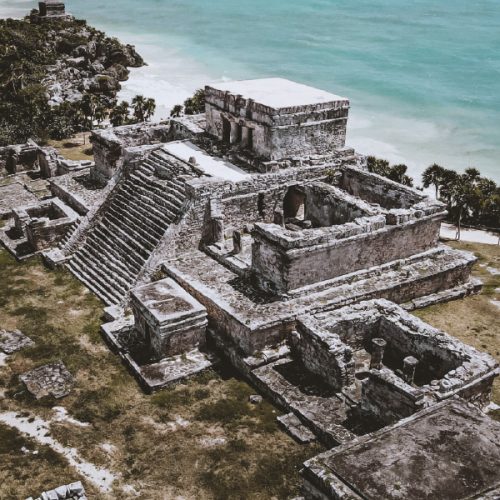
MAYAN RUINS
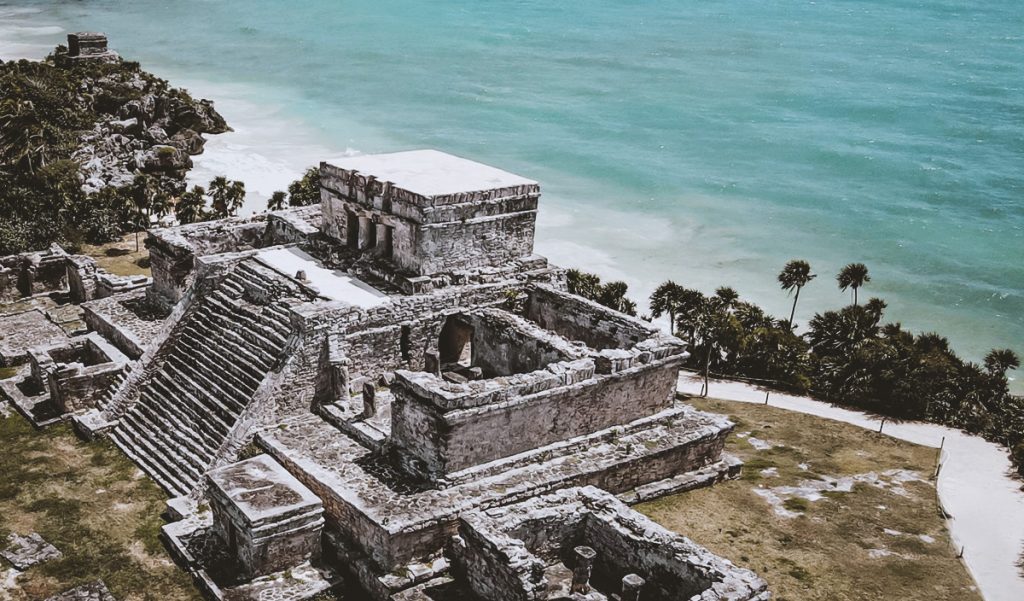
The tulum ruins are situated on 12-meter-tall (39 ft) cliffs along the east coast of the Yucatán Peninsula on the Caribbean Sea.
Learn more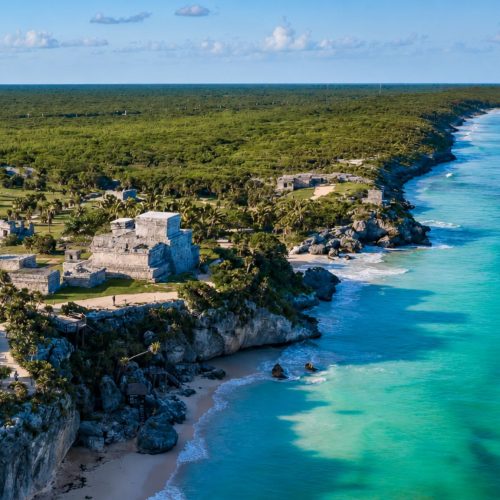
Living in Tulum 2026: Is It Still Worth It?
Is living in Tulum still worth it in 2026? Explore Tulum’s lifestyle, infrastructure growth, real estate opportunities, vacation rental potential, and what buyers should know before investing.
Learn more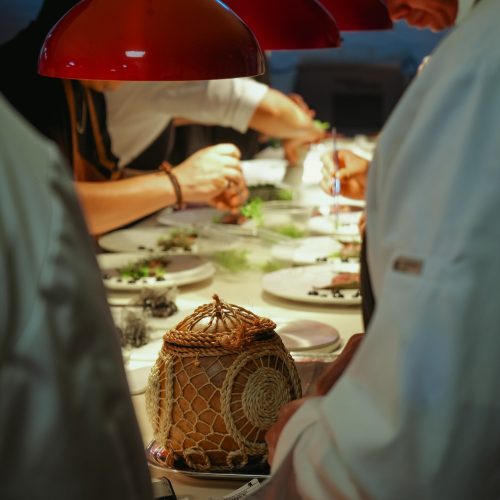
Michelin Tulum: The Fine Dining Boom and What It Reveals About the Real Estate Market
Michelin Tulum restaurants like Arca, Wild, NÜ Tulum, and Autor reveal how fine dining is shaping the destination’s lifestyle, tourism, and real estate appeal.
Learn more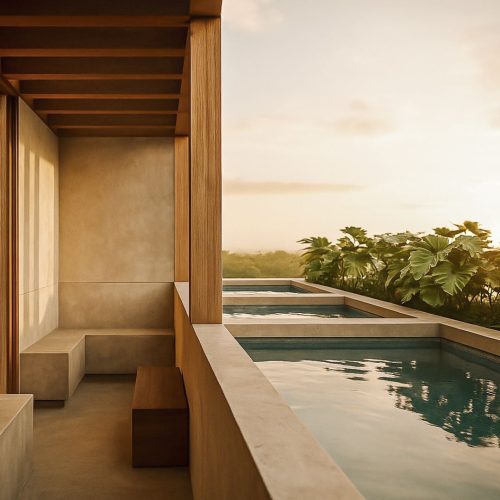
Why Invest in Tulum Luxury Real Estate: Architecture, Design, and Global Demand
Why invest in Tulum luxury real estate? Discover architecture-driven homes, global demand, and high-value opportunities in Tulum luxury homes for sale.
Learn more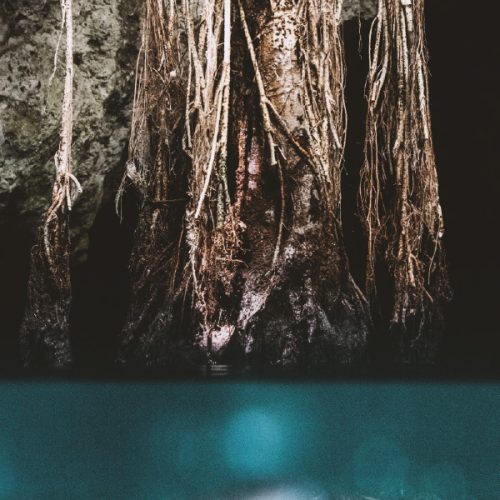

JAGUAR NATIONAL PARK
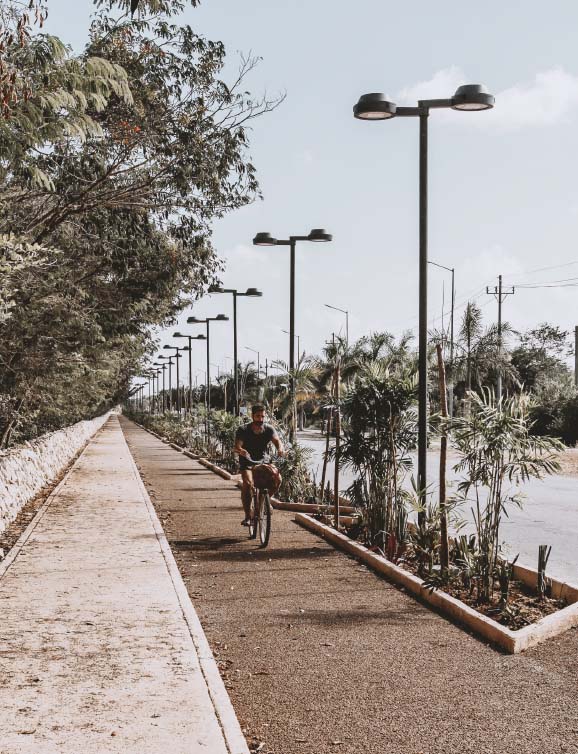
Immerse yourself in nature by living just a 10-minute walk from the second-largest nature reserve in all of Quintana Roo: The Jaguar National Park.
Learn more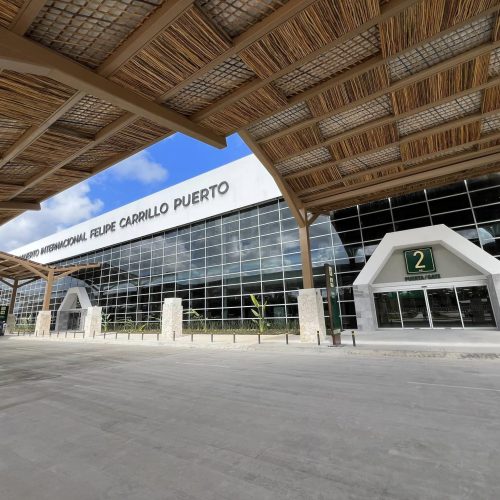
New Tulum International Airport: How Infrastructure Is Driving Property Appreciation
How Tulum International Airport is reshaping real estate demand, property values, vacation rentals, and long-term investment potential in Tulum.
Learn more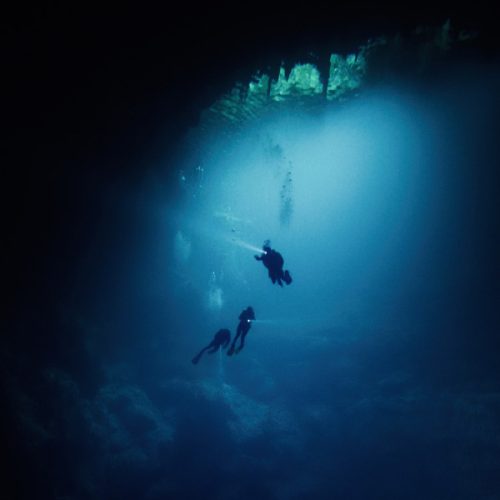
CENOTES
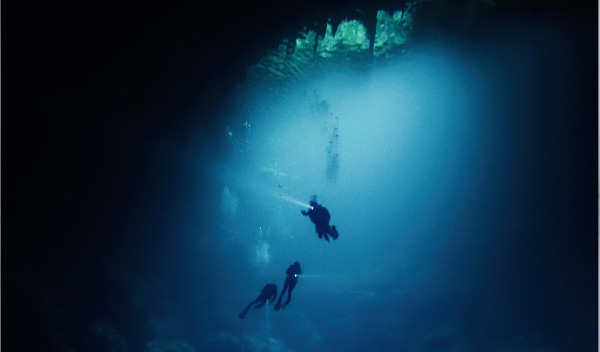
The Yucatan Peninsula is home to more than 6,000 cenotes, the largest number of cenotes in the world. 226 of these are in Tulum alone.
Learn moreMichelin Tulum: The Fine Dining Boom and What It Reveals About the Real Estate Market
Restaurants rarely make headlines in real estate reports, yet they are one of the most reliable indicators of where sophisticated capital is heading. A destination does not attract Michelin-recognized chefs, ambitious sommeliers, and design-forward dining rooms unless it already has the affluent, well-traveled audience to support them.
Tulum’s inclusion in the Michelin Guide Mexico is not simply a culinary milestone. For anyone tracking Michelin Tulum coverage as a proxy for the town’s trajectory, it is a data point worth reading alongside price charts and occupancy reports.
Michelin Tulum: A Culinary Scene That Has Outgrown Its Reputation
For years, Tulum’s food identity was shaped by beach clubs, barefoot dining, open-air breakfast spots, and bohemian restaurants hidden between the jungle and the sea.
That identity still exists, but it has evolved.
The arrival of the Michelin Guide in Mexico helped place more attention on Tulum’s culinary scene, recognizing restaurants that reflect a more mature and intentional approach to dining. Today, Tulum is home to restaurants that work with local ingredients, open-fire cooking, regenerative farms, contemporary Mexican techniques, and immersive settings that feel deeply connected to the destination.
This shift did not happen by accident. Restaurants of this caliber require a specific audience: well-traveled guests, repeat visitors, international residents, and travelers willing to spend on experiences that feel memorable and authentic.
That same audience is also shaping the real estate market.
The Restaurants Putting Tulum on the Michelin Map
Several restaurants help explain why Tulum’s dining scene has become part of the broader conversation around luxury travel and real estate.
Arca: Open-Fire Dining in the Jungle
Arca has become one of Tulum’s most recognized restaurants, known for its open-air setting, seasonal menu, and close relationship with local farmers and suppliers.
Its dining experience reflects much of what people associate with Tulum at its best: atmosphere, nature, fire, simplicity, and sophistication. It is not a traditional fine dining room. It is a restaurant that understands its environment and turns that environment into part of the experience.
Wild: Contemporary Dining Surrounded by Nature
Wild offers another example of how Tulum’s culinary identity is evolving. Located within a jungle setting, the restaurant combines modern and rustic design elements with contemporary cuisine.
Led by American chef Norman Fenton, Wild reflects the international nature of Tulum’s dining scene. It is a place where global talent, local atmosphere, and destination-driven hospitality come together.
NÜ Tulum: Local Ingredients and Contemporary Mexican Cuisine
NÜ Tulum is known for a menu rooted in local ingredients, with many sourced from Mestiza de Indias, a regenerative farm in the Yucatán Peninsula.
This connection between restaurant and land is important. It reflects a larger movement in Tulum, where sustainability, regional identity, and elevated hospitality are becoming part of the destination’s value.
Autor: A Refined Tasting Experience in the Riviera Maya
Autor, located within Conrad Tulum Riviera Maya, brings a more polished resort fine dining experience to the region. Its presence shows how luxury hospitality and destination gastronomy are becoming more connected in and around Tulum.
For buyers and investors, this matters because hospitality infrastructure helps shape how a destination is perceived. When hotels, restaurants, and private residences all move toward a higher standard, the market becomes more attractive to discerning visitors and long-term owners.
Mestixa: A Cross-Cultural Culinary Experience
Mestixa adds another layer to Tulum’s dining scene with a cross-cultural approach that blends Mexican and Asian influences.
Its recognition reflects the diversity of Tulum’s culinary identity. The destination is not simply offering regional cuisine in a luxury format. It is becoming a place where international ideas, Mexican ingredients, and destination design coexist.
Why Fine Dining Matters for Real Estate
Fine dining does not automatically create real estate value, but it often reflects the type of market that supports it.
Restaurants with premium sourcing, refined service, ambitious menus, and strong design require consistent demand from high-spending visitors. They also benefit from a destination that attracts return travelers, international residents, private villa guests, and lifestyle-focused buyers.
This is where gastronomy and real estate begin to overlap.
A destination with a strong dining scene can become more attractive to buyers who want more than a property. They want a complete lifestyle.
They want access to restaurants, beach clubs, wellness spaces, design culture, nature, and experiences that make ownership feel valuable beyond the home itself.
In Tulum, fine dining supports the idea that the destination is maturing into a more complete lifestyle market.
Gastronomy, Vacation Rentals, and Guest Expectations
For villa owners, proximity to high-quality restaurants is not just a lifestyle advantage. It can also support the guest experience.
Travelers booking luxury villas in Tulum are often looking for more than a place to sleep. They want privacy, design, nature, comfort, wellness, and access to the best experiences in the destination. Restaurants are part of that equation.
A guest staying in a private home expects the surrounding destination to match the quality of the property. If the villa is beautiful but the destination lacks restaurants, wellness spaces, beach clubs, and cultural energy, the experience feels incomplete.
Tulum’s growing fine dining scene helps strengthen the overall value of owning and renting a luxury home in the area. It gives visitors more reasons to stay longer, return often, and view the destination as a place with depth rather than only seasonal appeal.
What Michelin Tulum Signals for Investors
For investors, the rise of Michelin-recognized restaurants in Tulum is not a reason to buy on its own. But it is a meaningful signal.
It suggests that Tulum continues to attract the kind of audience that supports premium hospitality, elevated design, and high-value experiences. This audience is also more likely to seek private villas, luxury homes, and properties that offer both lifestyle value and vacation rental potential.
Buyers evaluating Tulum only through price per square meter may miss the bigger picture. Real estate value in lifestyle destinations is shaped by the ecosystem around the property: restaurants, infrastructure, hospitality, access, wellness, design, safety, community, and overall destination appeal.
A home in a destination with strong culinary and hospitality momentum can feel more valuable because the experience outside the home supports the experience inside it.
What It Means for Luxury Homes in Tulum
The fine dining boom in Tulum reflects a broader shift in the market.
Tulum is no longer only competing as a beach destination. It is competing as a lifestyle destination, a wellness destination, a design destination, and increasingly, a culinary destination.
This evolution matters for luxury real estate.
Buyers today are not only looking for square footage. They are looking for homes that feel aligned with the way people want to live, host, travel, and invest. They want architecture, privacy, natural surroundings, wellness features, and access to the experiences that make Tulum internationally desirable.
This is why thoughtfully designed homes continue to stand out. Properties that feel connected to the destination, both architecturally and experientially, are better positioned for long-term appeal.
FAQs: Michelin Tulum
Tulum has several restaurants recognized by the Michelin Guide Mexico, including Arca, Wild, NÜ Tulum, Autor, Casa Banana, Hartwood, Cetli, and Mestixa. However, it is important to clarify that these are Michelin Guide selections, not necessarily Michelin-starred restaurants. The recognition still matters because it reflects the growing quality, visibility, and sophistication of Tulum’s dining scene.
Some of the most recognized Michelin Guide selections in Tulum include Arca, Wild, NÜ Tulum, Autor, Casa Banana, Hartwood, Cetli, and Mestixa. Arca is known for open-fire cooking and a seasonal menu. Wild combines contemporary cuisine with a jungle setting. NÜ Tulum focuses on local ingredients and contemporary Mexican flavors. Autor offers a refined tasting experience within Conrad Tulum Riviera Maya.
Fine dining matters because it reflects the type of audience a destination is attracting. Restaurants with elevated menus, premium service, and strong design usually require consistent demand from high-spending visitors, international travelers, and residents. That same audience often supports luxury real estate, private villas, vacation rental demand, and long-term destination value.
A strong restaurant scene can improve the overall guest experience for vacation rental properties. Travelers staying in luxury villas often want access to memorable restaurants, beach clubs, wellness spaces, and cultural experiences. When the destination offers these experiences, private homes become more attractive for guests looking for a complete Tulum lifestyle.
Yes. The presence of Michelin Guide selections in Tulum is one sign that the destination is becoming more mature and internationally visible. It shows that Tulum is attracting serious culinary talent, high-spending visitors, and hospitality investment. For real estate buyers, this adds context to the destination’s long-term lifestyle and investment appeal.
Explore Luxury Homes Near Tulum’s Culinary Corridor
Deelum Concepts develops fully furnished, turn-key residences in Tulum for buyers who value architecture, privacy, nature, wellness, and long-term investment potential.
Our homes are designed for modern living and vacation rental appeal, with access to the lifestyle that makes Tulum one of the most desirable destinations in the Riviera Maya.
Explore current Deelum residences and upcoming investment opportunities near Tulum’s most recognized restaurants, beach clubs, and lifestyle destinations.
View all projectsWhy Tulum Topics
Michelin Tulum: The Fine Dining Boom and What It Reveals About the Real Estate Market
Michelin Tulum restaurants like Arca, Wild, NÜ Tulum, and Autor reveal how fine dining is shaping the destination’s lifestyle, tourism, and real estate appeal.
Learn moreJAGUAR NATIONAL PARK
Immerse yourself in nature by living just a 10-minute walk from the second-largest nature reserve in all of Quintana Roo: The Jaguar National Park.
Learn moreLiving in Tulum 2026: Is It Still Worth It?
Is living in Tulum still worth it in 2026? Explore Tulum’s lifestyle, infrastructure growth, real estate opportunities, vacation rental potential, and what buyers should know before investing.
Learn moreNew Tulum International Airport: How Infrastructure Is Driving Property Appreciation
How Tulum International Airport is reshaping real estate demand, property values, vacation rentals, and long-term investment potential in Tulum.
Learn moreMAYAN RUINS
The tulum ruins are situated on 12-meter-tall (39 ft) cliffs along the east coast of the Yucatán Peninsula on the Caribbean Sea.
Learn moreCENOTES
The Yucatan Peninsula is home to more than 6,000 cenotes, the largest number of cenotes in the world. 226 of these are in Tulum alone.
Learn moreWhy Invest in Tulum Luxury Real Estate: Architecture, Design, and Global Demand
Why invest in Tulum luxury real estate? Discover architecture-driven homes, global demand, and high-value opportunities in Tulum luxury homes for sale.
Learn moreLiving in Tulum 2026: Is It Still Worth It?
Living in Tulum in 2026 is no longer just about moving to a beautiful beach destination. It is about becoming part of one of the most dynamic lifestyle and real estate markets in the Riviera Maya.
Over the past decade, Tulum has transformed from a quiet coastal town into an international destination known for its beaches, jungle, wellness culture, design scene, and growing community of entrepreneurs, creatives, families, remote workers, and investors.
For many buyers from the U.S. and Canada, Tulum represents more than a vacation escape. It offers a lifestyle centered around nature, privacy, wellness, and long-term value. But as the destination continues to grow, the real question is clear: is living in Tulum still worth it in 2026?
The answer depends on what you are looking for, where you buy, and the type of property you choose.
The Lifestyle: What Makes Living in Tulum 2026 So Attractive?
The lifestyle in Tulum is one of the main reasons people continue to invest, relocate, or spend extended periods of time here.
Tulum offers a rare combination of natural beauty, international energy, and a slower rhythm of life. Mornings can begin with yoga, a swim, or coffee surrounded by jungle. Afternoons can be spent working remotely, visiting cenotes, exploring local restaurants, or enjoying the beach. Evenings often revolve around wellness, design, community, and experiences that feel deeply connected to the destination.
Unlike more traditional resort markets, Tulum attracts people who are looking for something more intentional. They are not only looking for a property. They are looking for a lifestyle.
This is why thoughtfully designed homes in Tulum continue to stand out. Buyers and guests are drawn to private villas, open spaces, natural materials, jungle views, wellness areas, pools, rooftops, and architecture that feels connected to the environment.
For homeowners, this lifestyle can also translate into rental appeal. Travelers visiting Tulum are often looking for homes that feel private, peaceful, beautiful, and different from a standard vacation rental.
Infrastructure Investment Is Changing Tulum’s Future
One of the strongest reasons Tulum remains relevant in 2026 is the level of infrastructure investment taking place across the region.
The Tren Maya rail network represents one of the most significant infrastructure projects in Mexico’s southeast, with a regional investment estimated at approximately $28 billion USD, or more than 515 billion Mexican pesos. While this is a regional project and not an investment exclusive to Tulum, the destination is one of the areas directly impacted by improved connectivity across the Yucatán Peninsula and the Riviera Maya.
In addition, the new Tulum International Airport represents a reported investment of approximately $1 billion USD, or 19.2 billion Mexican pesos. With capacity for millions of passengers per year, the airport has strengthened Tulum’s accessibility for national and international travelers.
For real estate buyers, infrastructure matters. Better connectivity can support tourism, improve access, increase visibility, and strengthen long-term demand. While infrastructure alone does not guarantee property performance, it does create a stronger foundation for destinations with existing global appeal.
In Tulum’s case, the combination of lifestyle demand, international tourism, new infrastructure, and limited high-quality private homes continues to support interest from buyers looking for both personal use and vacation rental potential.
Is Tulum Still a Good Place to Live?
Tulum can be a very attractive place to live for people who value nature, wellness, privacy, design, and a more relaxed way of life.
It is especially appealing for people who want a lifestyle that feels different from large urban markets. Instead of traffic, high-rise living, and traditional neighborhoods, Tulum offers jungle roads, open-air architecture, private villas, local restaurants, wellness studios, beach clubs, cenotes, and access to some of the most beautiful natural areas in Mexico.
That said, living in Tulum also requires realistic expectations.
Tulum is still evolving. Infrastructure, services, roads, and urban planning continue to develop. During high season, traffic and demand can increase. During sargassum season, the beach experience can be affected. For buyers who only imagine Tulum as a perfect beach destination year-round, this can be a surprise.
However, one of the advantages of Tulum is that the lifestyle is not limited to the beach. Even during sargassum season, there are cenotes, ruins, jungle experiences, wellness spaces, restaurants, lagoons, cultural sites, and nature-based activities that continue to make the destination attractive.
And once the sargassum season passes, Tulum still offers some of the most beautiful coastal scenery in the Riviera Maya.
For the right buyer, Tulum is not about perfection. It is about lifestyle, nature, community, and long-term potential.
Why International Buyers Are Still Choosing Tulum
Buyers from the U.S. and Canada continue to be attracted to Tulum because it offers a combination that is difficult to find in many other markets.
It has international visibility. It has lifestyle appeal. It has growing infrastructure. It has a strong tourism economy. And it still offers opportunities to own private homes that feel connected to nature, design, and wellness.
For many international buyers, the goal is not only to purchase a second home. They want a property that can be enjoyed personally while also having the potential to generate vacation rental income when they are not using it.
This is where property quality becomes extremely important.
A generic property may struggle to stand out in a competitive rental market. But a well-designed luxury villa with strong architecture, private amenities, wellness features, quality finishes, and a desirable location can create a more memorable guest experience.
In the vacation rental market, experience matters. Travelers are not only booking a place to sleep. They are booking atmosphere, privacy, design, and the feeling of being somewhere special.
Is Tulum a Good Place to Buy Property? What You Need to Know
Tulum continues to attract buyers looking for both lifestyle and long-term investment opportunities. With a growing international community, expanding infrastructure, and year-round tourism, demand for quality homes remains strong.
The key is buying the right property from an experienced developer. A luxury villa designed for modern living, built with quality materials, and located in a desirable neighborhood will typically have stronger long-term appeal than generic developments without clear differentiation.
Buyers should look closely at location, construction quality, architectural design, included finishes, rental potential, privacy, maintenance needs, and whether the property is delivered fully ready to use.
At Deelum Concepts, every home is designed with architecture, wellness, and functionality in mind. Our residences are delivered turn-key and fully furnished, allowing owners to begin enjoying their home or welcoming guests immediately after closing.
Whether you are looking for a vacation home, an investment property, or a permanent residence, buying a professionally designed luxury home can simplify ownership while supporting long-term value.
How Much Does a Luxury Villa Cost in Tulum?
Luxury villas in Tulum vary significantly depending on location, size, design, amenities, construction quality, and what is included in the delivery.
Entry-level villas can begin under $1 million USD, while premium architectural homes with private spas, pools, rooftop entertainment areas, wellness amenities, luxury finishes, and larger layouts can range from $1.5 million USD to several million dollars.
When comparing properties, buyers should look beyond the purchase price and evaluate what is actually included.
A lower-priced home may require additional investment in furniture, appliances, landscaping, lighting, kitchen equipment, rental setup, decor, and property management preparation. These costs can add time, complexity, and uncertainty after purchase.
At Deelum Concepts, every residence is delivered fully furnished and completely turn-key, including professionally designed interiors, premium appliances, landscaping, and luxury furnishings. This allows owners to enjoy their investment immediately or place it into rental service without additional setup.
For buyers planning to generate vacation rental income, this can be an important advantage.
The Role of Vacation Rental Potential
One of the main reasons buyers are interested in Tulum real estate is the potential to combine lifestyle use with vacation rental income.
Tulum attracts travelers looking for privacy, nature, wellness, design, and unique homes. This creates demand for properties that feel more personal and elevated than traditional hotel rooms or basic rental units.
Private villas can be especially attractive for families, groups, retreats, celebrations, and travelers who want more space, more privacy, and a deeper connection to the destination.
However, rental performance depends on several factors, including location, design, amenities, seasonality, professional management, photography, pricing strategy, guest experience, and market positioning.
This is why choosing a home designed with both lifestyle and rental appeal in mind is so important.
A property that looks beautiful, functions well, photographs strongly, and offers memorable guest experiences is better positioned in a competitive vacation rental market.
The Sargassum Season: A Realistic Consideration
A balanced conversation about living in Tulum must include sargassum.
Depending on the season, sargassum can affect the beach experience in parts of the Riviera Maya. For some travelers and homeowners, this is one of the main downsides of the destination.
However, Tulum’s appeal is not based only on the beach. The destination offers cenotes, archaeological sites, jungle experiences, lagoons, wellness spaces, restaurants, design, architecture, and a strong sense of community.
This matters because it gives Tulum more depth as a lifestyle destination.
During sargassum season, residents and visitors can still enjoy some of the most unique natural and cultural experiences in the region. And once the season passes, Tulum’s beaches return to being one of the strongest attractions of the destination.
For buyers, the important thing is to understand Tulum realistically: it is a nature-based destination, and nature changes throughout the year.
Is Living in Tulum Still Worth It in 2026?
For the right buyer, yes, living in Tulum is still worth it in 2026.
Tulum continues to offer a rare mix of lifestyle, nature, design, wellness, international community, tourism demand, and long-term growth potential. The destination is still evolving, but that evolution is part of what makes it meaningful for buyers who want to be early in a market with strong global visibility.
The best opportunities are not necessarily the cheapest properties. They are the homes that feel well designed, well located, well built, and aligned with what buyers and travelers are actually looking for.
For international buyers, Tulum is not only about owning real estate. It is about owning a home in a destination that continues to attract attention, investment, and lifestyle demand.
FAQs: Living in Tulum 2026
Tulum can be a strong place to buy property in 2026 for buyers who are looking for a combination of lifestyle value and long-term investment potential. The destination continues to attract international travelers, remote workers, wellness-focused visitors, and buyers from the U.S. and Canada. However, the quality of the property matters. Buyers should prioritize location, construction quality, architecture, amenities, rental potential, and whether the home is delivered ready to use.
Before investing in Tulum real estate, buyers should evaluate the developer’s experience, the quality of construction, the location, the design concept, included furniture and finishes, maintenance requirements, legal structure, and the property’s potential in the vacation rental market. It is also important to understand Tulum as a seasonal and evolving destination, considering factors such as sargassum season, property management, and long-term upkeep.
The cost of a luxury villa in Tulum depends on the location, size, architecture, amenities, finishes, and whether the home is delivered fully furnished. Entry-level villas may begin under $1 million USD, while premium architectural homes with private pools, rooftop areas, wellness amenities, and high-quality construction can range from $1.5 million USD to several million dollars.
Yes, a home in Tulum can generate vacation rental income, especially if it is well located, professionally designed, properly furnished, and managed by an experienced vacation rental company. That said, rental income depends on factors such as seasonality, occupancy, nightly rates, management quality, marketing, reviews, and overall property presentation, so buyers should avoid assuming guaranteed returns.
One of the main disadvantages of living in Tulum is that the destination is still developing, and roads, services, traffic flow, and urban infrastructure can vary depending on the area. Another seasonal challenge is sargassum, which can affect the beach experience during certain times of the year. For many people, the benefits of privacy, nature, community, lifestyle, and long-term potential outweigh these challenges, especially when they choose the right neighborhood and property.
At Deelum Concepts, we design homes for this new chapter of Tulum living: private residences shaped by architecture, wellness, nature, comfort, and long-term value.
Schedule a ConsultationWhy Tulum Topics
JAGUAR NATIONAL PARK
Immerse yourself in nature by living just a 10-minute walk from the second-largest nature reserve in all of Quintana Roo: The Jaguar National Park.
Learn moreMichelin Tulum: The Fine Dining Boom and What It Reveals About the Real Estate Market
Michelin Tulum restaurants like Arca, Wild, NÜ Tulum, and Autor reveal how fine dining is shaping the destination’s lifestyle, tourism, and real estate appeal.
Learn moreMAYAN RUINS
The tulum ruins are situated on 12-meter-tall (39 ft) cliffs along the east coast of the Yucatán Peninsula on the Caribbean Sea.
Learn moreCENOTES
The Yucatan Peninsula is home to more than 6,000 cenotes, the largest number of cenotes in the world. 226 of these are in Tulum alone.
Learn moreNew Tulum International Airport: How Infrastructure Is Driving Property Appreciation
How Tulum International Airport is reshaping real estate demand, property values, vacation rentals, and long-term investment potential in Tulum.
Learn moreLiving in Tulum 2026: Is It Still Worth It?
Is living in Tulum still worth it in 2026? Explore Tulum’s lifestyle, infrastructure growth, real estate opportunities, vacation rental potential, and what buyers should know before investing.
Learn moreWhy Invest in Tulum Luxury Real Estate: Architecture, Design, and Global Demand
Why invest in Tulum luxury real estate? Discover architecture-driven homes, global demand, and high-value opportunities in Tulum luxury homes for sale.
Learn moreWhy Invest in Tulum Luxury Real Estate: Architecture, Design, and Global Demand
Tulum Luxury Homes for Sale and a New Global Architecture Hub
Tulum has rapidly evolved from a quiet beach destination into one of the most important locations in the world for architecture-driven real estate. Over the past decade, the region has attracted global architects who see the tropical jungle landscape as an opportunity to create residences that integrate nature, lifestyle, and modern design.
This transformation is a key reason why investors are increasingly asking why invest in Tulum luxury real estate. The movement has fueled international demand for Tulum luxury homes for sale and positioned the Riviera Maya among the most dynamic markets for contemporary residential architecture.
Buyers from North America, Europe, and Latin America are actively searching for luxury homes in Mexico that combine architectural value, lifestyle experience, and long-term appreciation potential.
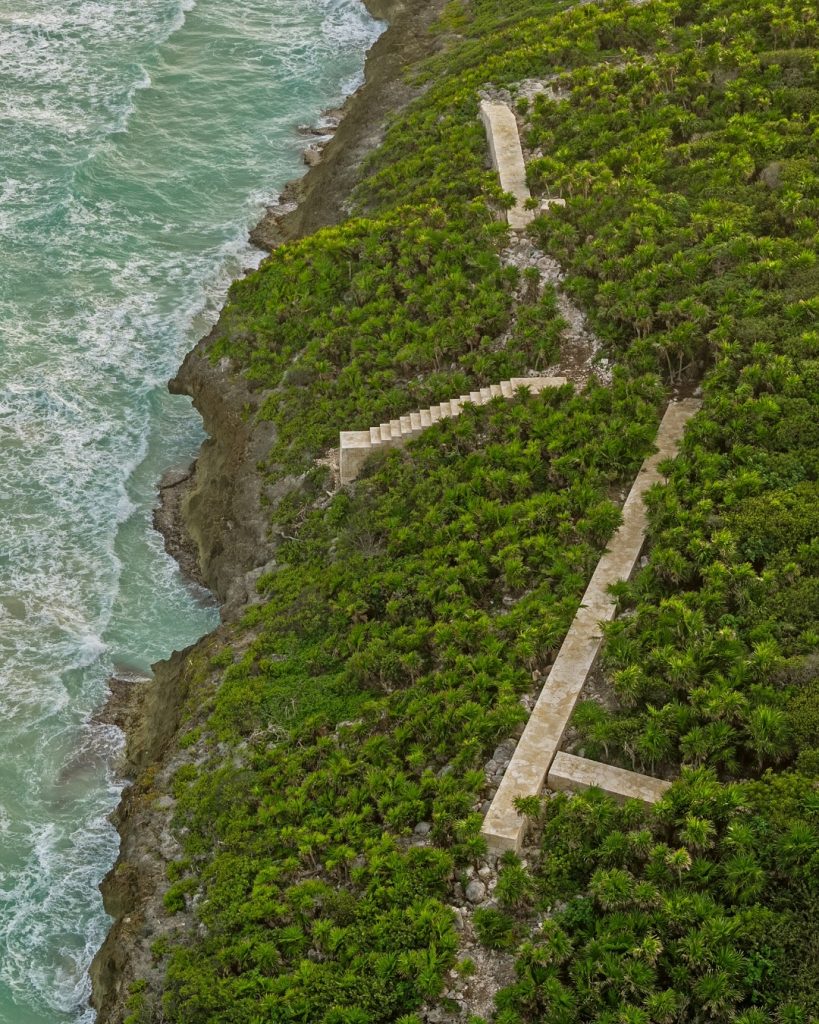
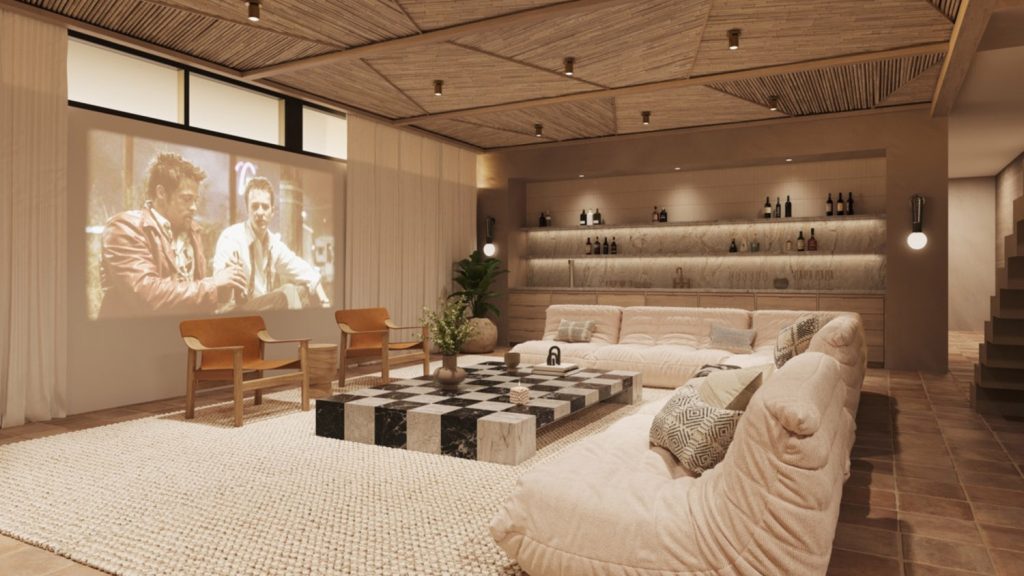
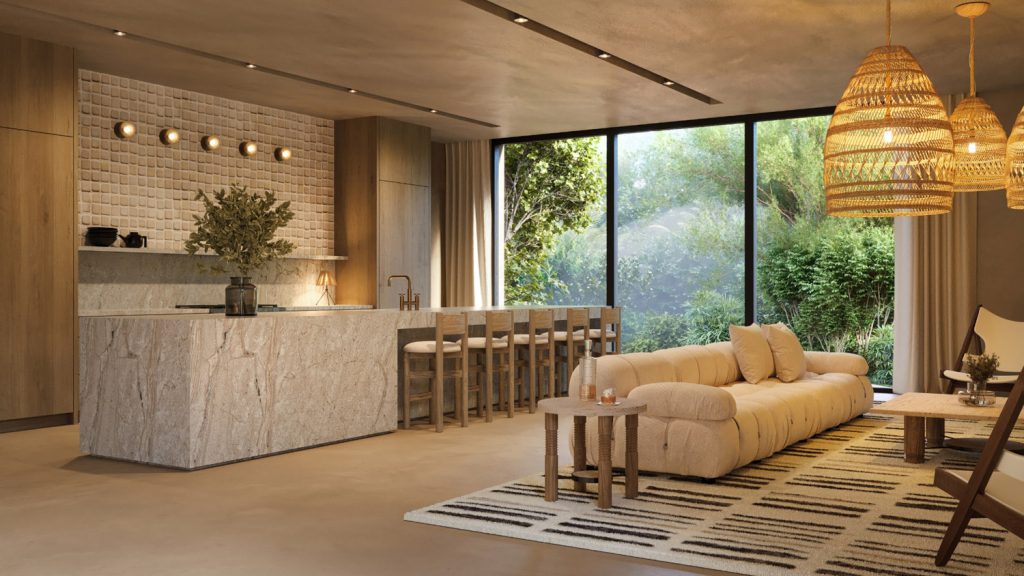
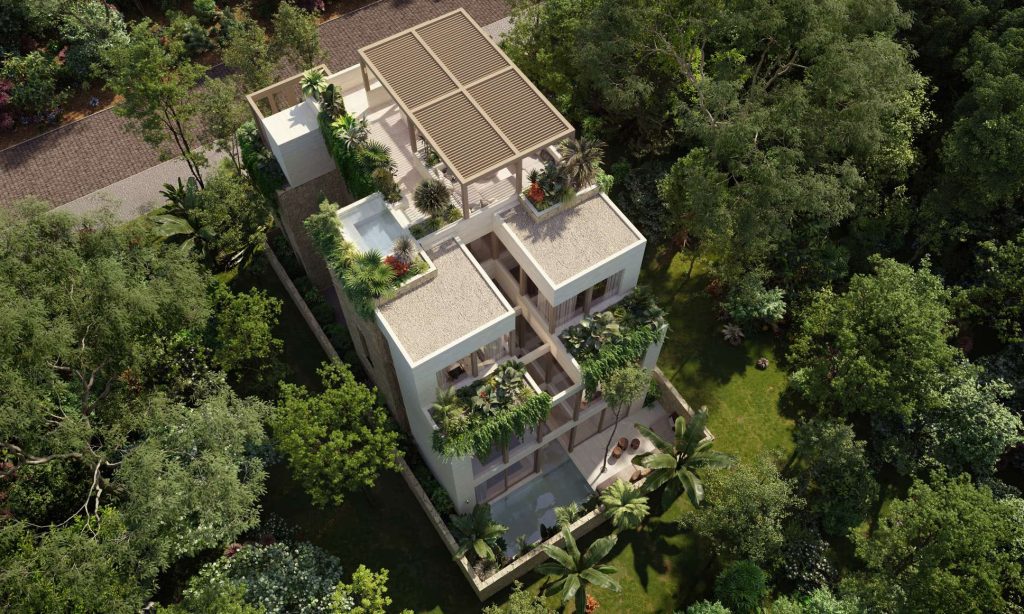
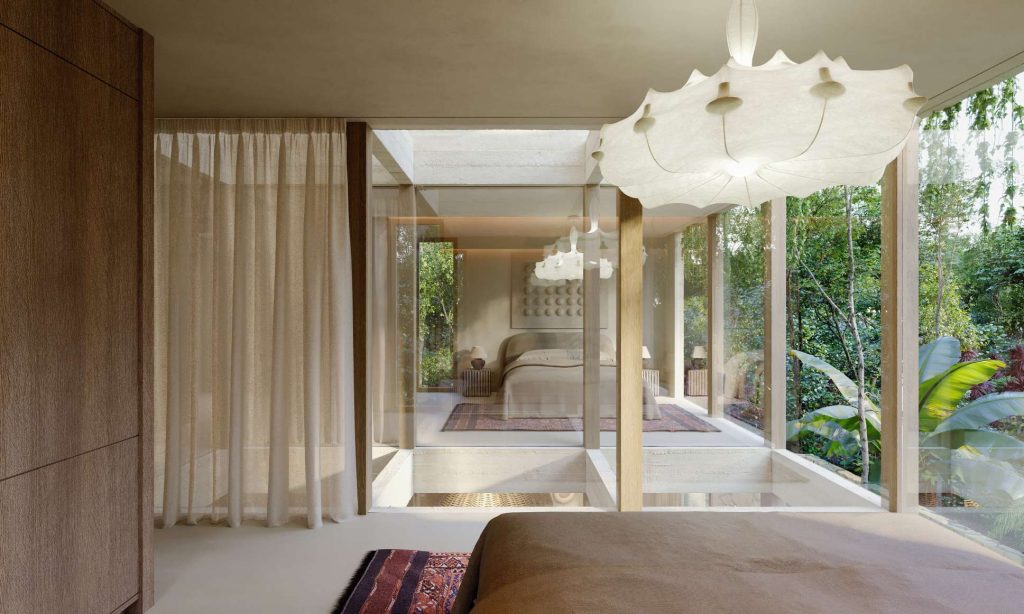
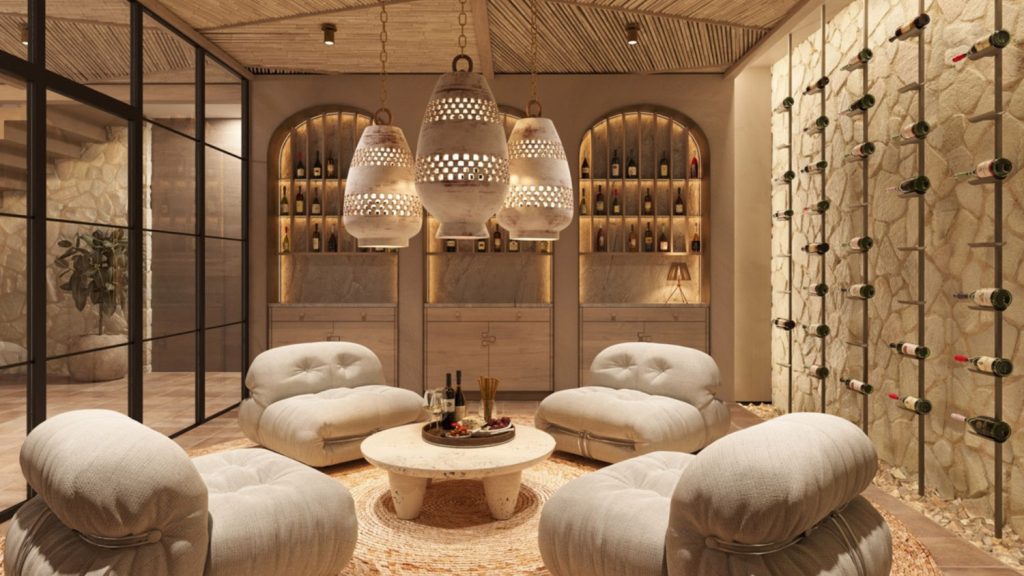
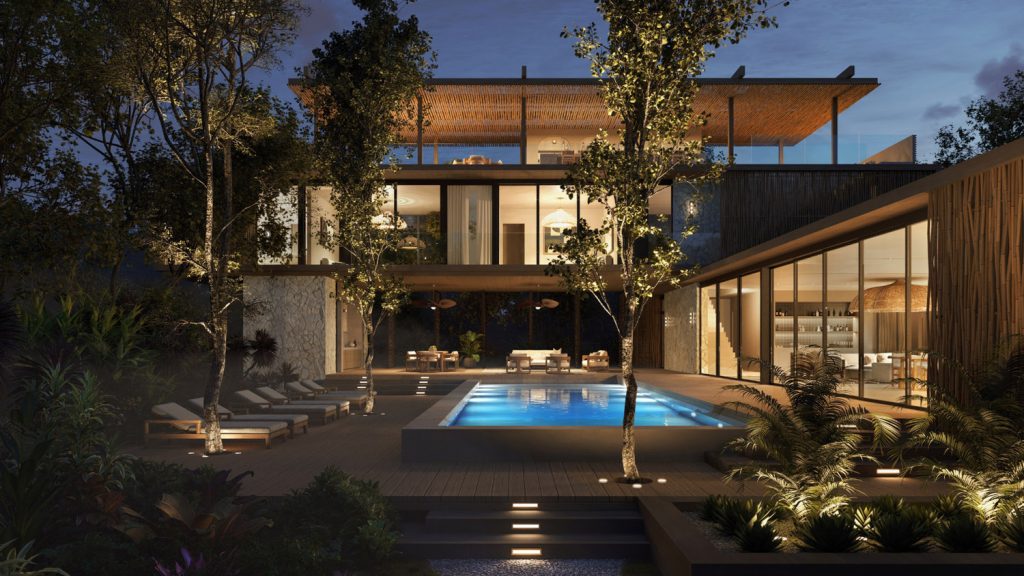
This new generation of architecture-driven residences is redefining the standard for Tulum luxury homes for sale, as seen in projects like Casa Sky, where design, nature, and investment value converge.
Architecture That Defines Luxury Living in Tulum
Unlike dense urban cities, Tulum offers architects the rare opportunity to design homes that work in harmony with the surrounding jungle environment. Tropical vegetation, limestone terrain, and coastal breezes allow architecture to blend naturally into the landscape.
Natural materials such as regional stone, tropical hardwoods, and chukum plaster create homes that feel rooted in their environment. Open-air living spaces, expansive glass openings, and rooftop terraces allow natural light and airflow to define the living experience.
This approach has shaped a new generation of luxury villas in Tulum Mexico, where architecture and nature are deeply connected one of the strongest factors behind the growing interest in Tulum luxury homes for sale.
Architecture Driving Tulum’s Real Estate Value
One of the main reasons behind the rise of Tulum is the creative freedom it offers architects.
In many global cities, strict building regulations limit architectural expression. In contrast, Tulum allows for the exploration of contemporary geometry combined with organic materials and natural surroundings.
These architectural freedoms have helped define a new category of luxury homes for sale in Tulum, attracting buyers who prioritize distinctive design and long-term value further reinforcing why investing in Tulum luxury real estate has become a strategic decision.
Global Vision: Architects Shaping Tulum
Among the architects contributing to this movement is Scott Hudgins, founder of Hudgins Design Group.
Hudgins is known for designing modern residential architecture that connects people with their environment. His work emphasizes natural light, clean geometry, and seamless transitions between interior and exterior spaces.
Rather than imposing architecture onto the landscape, he studies the natural environment to create structures that respond to their surroundings. Large glass openings, open courtyards, and indoor-outdoor living are key elements in his projects.
His experience spans high-end residences in California, including Palm Springs, Laguna Beach, Newport Beach, and Beverly Hills. In Tulum, his architectural philosophy aligns perfectly with the surrounding landscape, combining international design vision with local expertise.
International Collaboration with Mexican Design Studios
Tulum’s architectural evolution is also driven by collaborations between global architects and local studios.
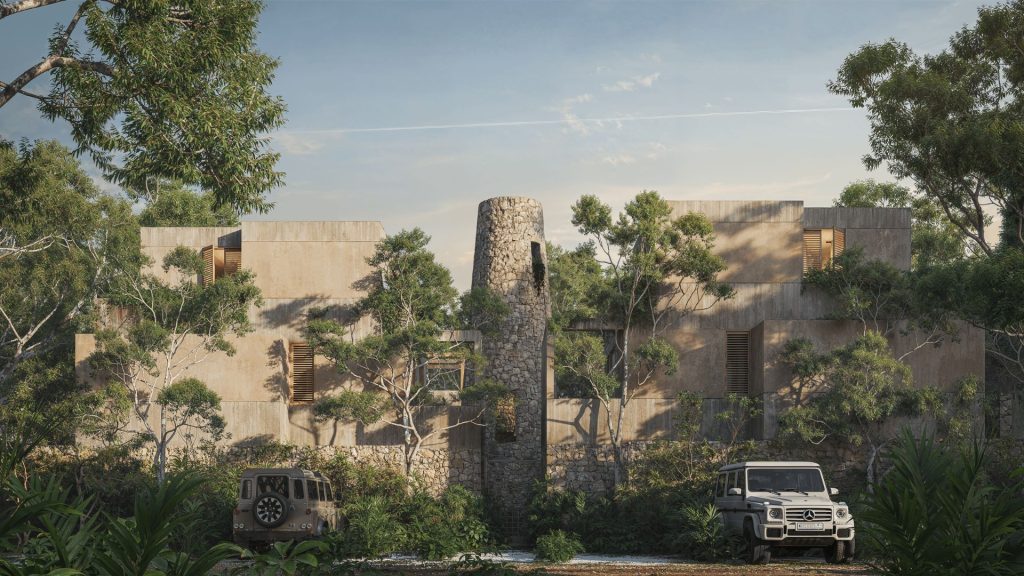
Firms like Hudgins Design Group often work alongside respected Mexican studios such as V Taller, known for designing residences that prioritize privacy, natural materials, and environmental integration.
These collaborations ensure that projects combine global architectural standards with regional knowledge, resulting in some of the most distinctive Tulum luxury homes for sale available today.
Casa Tikal: A Benchmark for Jungle Architecture
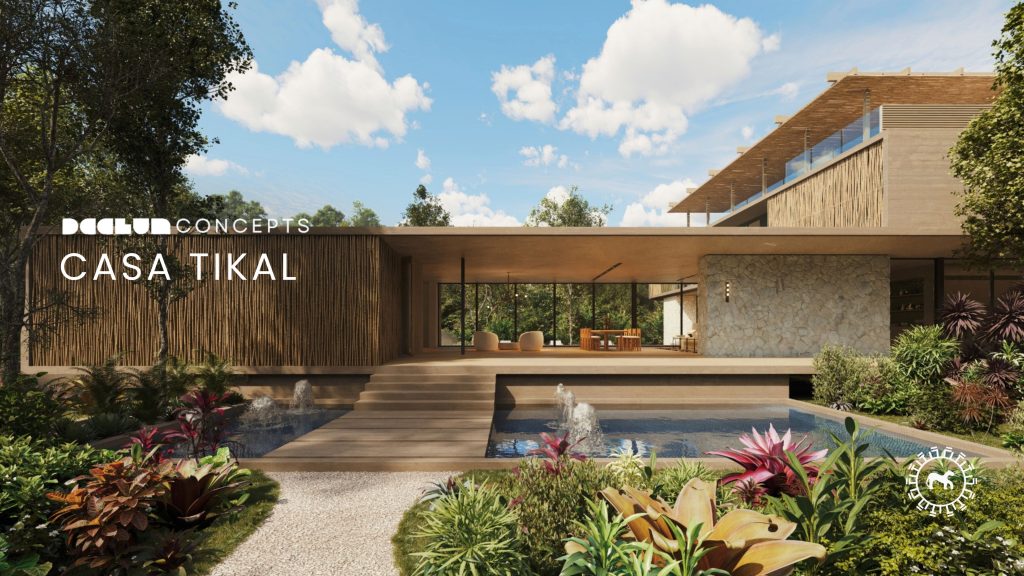
One of the most recognized examples of this movement is Casa Tikal, an award-winning residence located in Tulum.
Casa Tikal demonstrates how contemporary architecture can coexist with the jungle. Its design features bold geometry, open-air spaces, and natural materials that create a seamless connection between the home and its environment.
Projects like Casa Tikal have set new standards for luxury homes for sale in Tulum and continue to attract international buyers looking for unique real estate opportunities.
Deelum Concepts and Design-Driven Development
Developers like Deelum Concepts play a key role in shaping the future of the market.
Recognized for their innovative approach, Deelum Concepts focuses on creating residences that merge architecture, lifestyle, and nature. The company has been featured in Forbes and collaborates with global architects and Mexican studios to deliver high-quality residential projects.
By prioritizing architectural excellence and experiential living, Deelum creates properties that stand out in the competitive landscape of Tulum luxury homes for sale.
Why Tulum Is a Strategic Investment Destination
Tulum’s growth is supported by major infrastructure developments, including the new international airport, the Maya Train, and the Jaguar National Park.
These projects are increasing global accessibility and positioning the region as a key destination for real estate investment. As a result, more buyers are exploring why invest in Tulum luxury real estate as part of a diversified investment strategy.
Homes that combine architecture, sustainability, and wellness-driven design are becoming some of the most valuable assets in the market.
The Future of Tulum Luxury Real Estate
Tulum has become a global destination where architecture, nature, and modern living converge.
Through collaborations between international architects, Mexican studios like V Taller, and innovative developers such as Deelum Concepts, the region continues to shape the next generation of luxury homes for sale in Tulum.
For investors and buyers alike, the answer to why invest in Tulum luxury real estate lies in its unique combination of design, lifestyle, and long-term growth potential.
Explore Luxury Homes in Tulum
Discover architecture-driven villas designed for lifestyle and long-term value. Connect with our team to explore current opportunities in Tulum.
Why Tulum Topics
New Tulum International Airport: How Infrastructure Is Driving Property Appreciation
How Tulum International Airport is reshaping real estate demand, property values, vacation rentals, and long-term investment potential in Tulum.
Learn moreMichelin Tulum: The Fine Dining Boom and What It Reveals About the Real Estate Market
Michelin Tulum restaurants like Arca, Wild, NÜ Tulum, and Autor reveal how fine dining is shaping the destination’s lifestyle, tourism, and real estate appeal.
Learn moreWhy Invest in Tulum Luxury Real Estate: Architecture, Design, and Global Demand
Why invest in Tulum luxury real estate? Discover architecture-driven homes, global demand, and high-value opportunities in Tulum luxury homes for sale.
Learn moreJAGUAR NATIONAL PARK
Immerse yourself in nature by living just a 10-minute walk from the second-largest nature reserve in all of Quintana Roo: The Jaguar National Park.
Learn moreMAYAN RUINS
The tulum ruins are situated on 12-meter-tall (39 ft) cliffs along the east coast of the Yucatán Peninsula on the Caribbean Sea.
Learn moreCENOTES
The Yucatan Peninsula is home to more than 6,000 cenotes, the largest number of cenotes in the world. 226 of these are in Tulum alone.
Learn moreLiving in Tulum 2026: Is It Still Worth It?
Is living in Tulum still worth it in 2026? Explore Tulum’s lifestyle, infrastructure growth, real estate opportunities, vacation rental potential, and what buyers should know before investing.
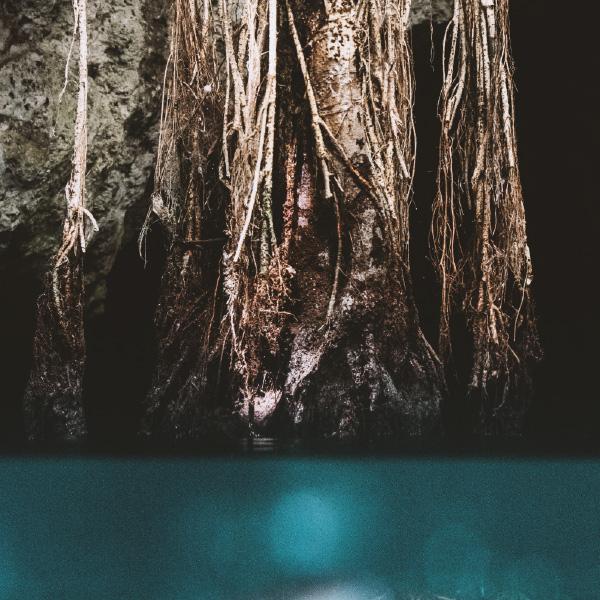
Learn moreMOTHER NATURE
Why Tulum Topics
Living in Tulum 2026: Is It Still Worth It?
Is living in Tulum still worth it in 2026? Explore Tulum’s lifestyle, infrastructure growth, real estate opportunities, vacation rental potential, and what buyers should know before investing.
Learn moreCENOTES
The Yucatan Peninsula is home to more than 6,000 cenotes, the largest number of cenotes in the world. 226 of these are in Tulum alone.
Learn moreMAYAN RUINS
The tulum ruins are situated on 12-meter-tall (39 ft) cliffs along the east coast of the Yucatán Peninsula on the Caribbean Sea.
Learn moreNew Tulum International Airport: How Infrastructure Is Driving Property Appreciation
How Tulum International Airport is reshaping real estate demand, property values, vacation rentals, and long-term investment potential in Tulum.
Learn moreMichelin Tulum: The Fine Dining Boom and What It Reveals About the Real Estate Market
Michelin Tulum restaurants like Arca, Wild, NÜ Tulum, and Autor reveal how fine dining is shaping the destination’s lifestyle, tourism, and real estate appeal.
Learn moreWhy Invest in Tulum Luxury Real Estate: Architecture, Design, and Global Demand
Why invest in Tulum luxury real estate? Discover architecture-driven homes, global demand, and high-value opportunities in Tulum luxury homes for sale.
Learn moreJAGUAR NATIONAL PARK
Immerse yourself in nature by living just a 10-minute walk from the second-largest nature reserve in all of Quintana Roo: The Jaguar National Park.
Learn moreMAYAN RUINS
Why Tulum Topics
JAGUAR NATIONAL PARK
Immerse yourself in nature by living just a 10-minute walk from the second-largest nature reserve in all of Quintana Roo: The Jaguar National Park.
Learn moreCENOTES
The Yucatan Peninsula is home to more than 6,000 cenotes, the largest number of cenotes in the world. 226 of these are in Tulum alone.
Learn moreLiving in Tulum 2026: Is It Still Worth It?
Is living in Tulum still worth it in 2026? Explore Tulum’s lifestyle, infrastructure growth, real estate opportunities, vacation rental potential, and what buyers should know before investing.
Learn moreWhy Invest in Tulum Luxury Real Estate: Architecture, Design, and Global Demand
Why invest in Tulum luxury real estate? Discover architecture-driven homes, global demand, and high-value opportunities in Tulum luxury homes for sale.
Learn moreMichelin Tulum: The Fine Dining Boom and What It Reveals About the Real Estate Market
Michelin Tulum restaurants like Arca, Wild, NÜ Tulum, and Autor reveal how fine dining is shaping the destination’s lifestyle, tourism, and real estate appeal.
Learn moreMAYAN RUINS
The tulum ruins are situated on 12-meter-tall (39 ft) cliffs along the east coast of the Yucatán Peninsula on the Caribbean Sea.
Learn moreNew Tulum International Airport: How Infrastructure Is Driving Property Appreciation
How Tulum International Airport is reshaping real estate demand, property values, vacation rentals, and long-term investment potential in Tulum.
Learn moreCENOTES
Why Tulum Topics
MAYAN RUINS
The tulum ruins are situated on 12-meter-tall (39 ft) cliffs along the east coast of the Yucatán Peninsula on the Caribbean Sea.
Learn moreLiving in Tulum 2026: Is It Still Worth It?
Is living in Tulum still worth it in 2026? Explore Tulum’s lifestyle, infrastructure growth, real estate opportunities, vacation rental potential, and what buyers should know before investing.
Learn moreNew Tulum International Airport: How Infrastructure Is Driving Property Appreciation
How Tulum International Airport is reshaping real estate demand, property values, vacation rentals, and long-term investment potential in Tulum.
Learn moreJAGUAR NATIONAL PARK
Immerse yourself in nature by living just a 10-minute walk from the second-largest nature reserve in all of Quintana Roo: The Jaguar National Park.
Learn moreMichelin Tulum: The Fine Dining Boom and What It Reveals About the Real Estate Market
Michelin Tulum restaurants like Arca, Wild, NÜ Tulum, and Autor reveal how fine dining is shaping the destination’s lifestyle, tourism, and real estate appeal.
Learn moreWhy Invest in Tulum Luxury Real Estate: Architecture, Design, and Global Demand
Why invest in Tulum luxury real estate? Discover architecture-driven homes, global demand, and high-value opportunities in Tulum luxury homes for sale.
Learn moreCENOTES
The Yucatan Peninsula is home to more than 6,000 cenotes, the largest number of cenotes in the world. 226 of these are in Tulum alone.
Learn moreJAGUAR NATIONAL PARK

Why Tulum Topics
CENOTES
The Yucatan Peninsula is home to more than 6,000 cenotes, the largest number of cenotes in the world. 226 of these are in Tulum alone.
Learn moreMichelin Tulum: The Fine Dining Boom and What It Reveals About the Real Estate Market
Michelin Tulum restaurants like Arca, Wild, NÜ Tulum, and Autor reveal how fine dining is shaping the destination’s lifestyle, tourism, and real estate appeal.
Learn moreLiving in Tulum 2026: Is It Still Worth It?
Is living in Tulum still worth it in 2026? Explore Tulum’s lifestyle, infrastructure growth, real estate opportunities, vacation rental potential, and what buyers should know before investing.
Learn moreWhy Invest in Tulum Luxury Real Estate: Architecture, Design, and Global Demand
Why invest in Tulum luxury real estate? Discover architecture-driven homes, global demand, and high-value opportunities in Tulum luxury homes for sale.
Learn moreJAGUAR NATIONAL PARK
Immerse yourself in nature by living just a 10-minute walk from the second-largest nature reserve in all of Quintana Roo: The Jaguar National Park.
Learn moreNew Tulum International Airport: How Infrastructure Is Driving Property Appreciation
How Tulum International Airport is reshaping real estate demand, property values, vacation rentals, and long-term investment potential in Tulum.
Learn moreMAYAN RUINS
The tulum ruins are situated on 12-meter-tall (39 ft) cliffs along the east coast of the Yucatán Peninsula on the Caribbean Sea.
Learn more

